
Why Choose a Solid Carbide Long Neck End Mill for Deep Cavity Machining?
In precision machining, deep cavity milling presents unique technical hurdles. Industries like mold making, aerospace, and medical device manufacturing constantly face these challenges. Machining narrow slots and deep pockets requires specialized tooling. The ideal tool must balance extended reach with exceptional structural rigidity.
Standard cutting tools often fail in these demanding environments. They frequently cause excessive tool deflection, catastrophic breakage, premature wear, or poor surface finishes. These issues can easily ruin expensive workpieces.
To overcome these manufacturing obstacles, a high-performance solid carbide long neck end mill is essential. Engineered solutions like the Bwin series of extended-reach tools allow machine shops to achieve unparalleled precision. They deliver tight tolerances and absolute stability under the most demanding cutting conditions.
Here is a technical analysis of why a carbide end mill cutter with an optimized long neck design is the definitive choice for deep cavity applications.
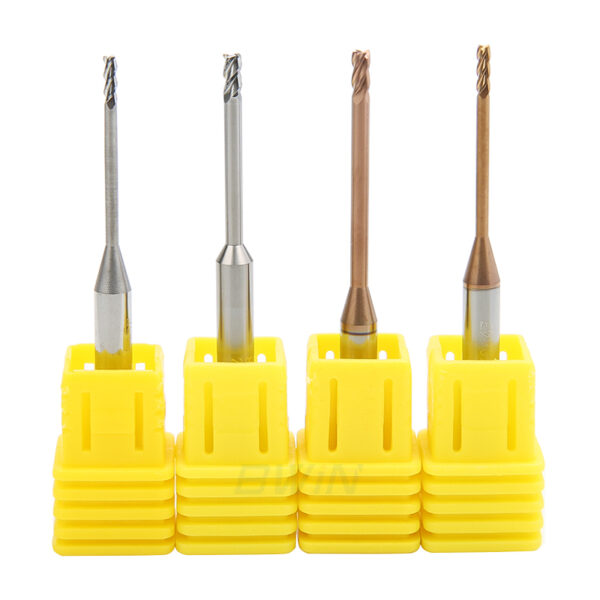
1. Optimized Structural Integrity and Extended Reach
The primary challenge of deep pocket milling is tool accessibility. A standard length end mill lacks the reach needed to cut deep pockets. As a result, the bulky tool holder can easily collide with the upper walls of the workpiece.
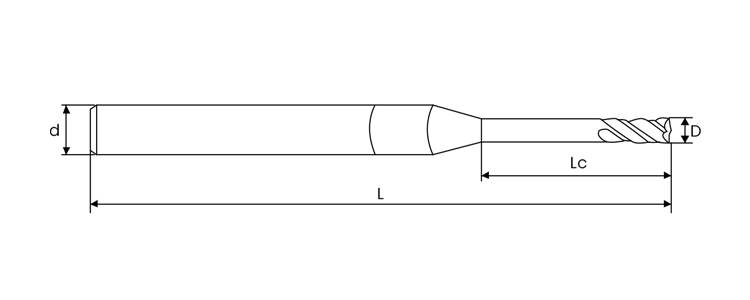
This solid carbide long neck end mill provides excellent performance for deep groove milling and extended reach machining. First, the optimized long neck structure increases tool accessibility in narrow and deep cavities. It features a precisely engineered, reduced neck diameter behind the cutting edges. This allows the long reach end mill to bypass clearance obstacles and wall interference effortlessly. Consequently, the machine can plunge deeper into complex geometries.
However, reaching deep into a pocket is only half the battle. Maintaining tool rigidity at extended lengths is critical to combat bending forces. Advanced engineering principles must be applied to counteract the natural deflection associated with a longer reach:
- Reinforced Core Design: The Bwin long neck series utilizes a specialized tapered core reinforcement. The diameter of the inner core increases gradually toward the shank. This geometry drastically increases the tool’s resistance to bending forces.
- Vibration Suppression: The reinforced core design maintains maximum cross-sectional strength at the base of the neck. This structure reduces vibration and harmonic chatter during high-speed cutting.
- Stable Machining Performance: Minimizing harmonics allows the CNC machine to maintain a consistent chip load per tooth. This prevents premature micro-chipping of the delicate cutting edges. It also eliminates surface chatter marks and ensures a highly stable machining performance throughout long production cycles.
2. Advanced Material Substrate and Thermal Stability
Deep cavity milling is rarely a quick process. It often involves prolonged cycle times where the tool remains engaged with the material for extended periods. This continuous friction generates intense localized heat at the immediate cutting zone. Without a premium material base, standard steel tools soften rapidly and lose their cutting edge.
The foundation of the Bwin carbide end mill cutter relies on an ultra-fine, micro-grain solid carbide substrate. This specific material composition delivers an optimal balance of extreme hardness and high toughness. The hardness resists abrasive wear, while the toughness absorbs mechanical impacts.
Coupled with advanced heat-resistant nano-coatings, the tool easily withstands the extreme thermal loads generated during deep slotting. The solid carbide substrate enhances wear resistance and tool life significantly. This engineering ensures that the tool maintains its sharp cutting geometry from the very first plunge to the final finishing pass.
3. Superior Chip Evacuation Geometry for Deep Slots
When milling deep inside a closed cavity, chip recutting is a major hazard to tool life. Hot metal chips must be evacuated rapidly from a deep slot. If they pack tightly into the flutes, the tool can bind, overheat, and instantaneously snap. This failure often destroys the workpiece in the process.
The engineering geometry of this specialized deep groove end mill directly addresses chip management. It uses specific design innovations to protect the tool:
- Optimized Flute Space: The flute geometry and helix angles are precision-ground to facilitate smooth, upward chip evacuation. They act like a spiral conveyor belt to lift material out of the deep pocket efficiently.
- Micro-Polished Flutes: The surfaces inside the flutes are highly polished to reduce friction. This prevents sticky materials, like aluminum or soft copper, from adhering to the tool and causing chip clogging.
- Ultra-Sharp Cutting Edges: The exceptionally sharp cutting edges reduce overall cutting forces and shearing resistance. This clean slicing action significantly improves the final surface finish of both the cavity floor and the vertical sidewalls. It frequently eliminates the need for secondary, time-consuming polishing operations.
4. Multi-Material Versatility for CNC Precision
Modern machine shops cannot afford to change tools for every unique material swap. They require highly versatile, multi-purpose tooling capable of handling diverse material specifications. The tool must achieve this longevity without sacrificing performance. As a highly specialized CNC milling cutter, the Bwin long neck series is engineered with a universal cutting geometry. It excels across multiple distinct material groups.
Furthermore, this deep groove end mill handles stainless steel, alloy steel, carbon steel, copper alloy, and aluminum alloy with precision. It adapts flawlessly to varying material hardness levels. You can use it for high-speed finishing paths in hardened mold steel, or for cutting intricate deep slots in tough stainless steel. It also performs exceptionally well during high-feed slotting in non-ferrous aluminum alloys. This versatility reduces tool inventory costs and minimizes machine downtime caused by frequent tool changes.
Comprehensive Summary: The Bwin Technical Advantage
The table below breaks down how these engineering features translate into real-world shop floor benefits:
| Technical Feature | Engineering Advantage | Manufacturing Benefit |
| Optimized Long Neck Structure | Maximizes clearance and accessibility in narrow, deep pockets. | Eliminates tool holder collisions and workpiece wall interference. |
| Reinforced Tapered Core | Dampens dangerous vibration and harmonic chatter during high-speed paths. | Extends tool life, protects machine spindles, and improves surface finish. |
| Micro-Grain Solid Carbide Substrate | Provides premium structural and thermal stability under heavy friction. | Delivers exceptional wear resistance and maintains tight tolerances. |
| Engineered Flute Geometry | Facilitates rapid, upward chip removal away from the cutting zone. | Prevents chip packing, reduces heat buildup, and stops accidental tool breakage. |
Conclusion: Maximizing Efficiency in Demanding Applications
Ultimately, choosing the right tool is a balancing act between reach, speed, and accuracy. Manufacturers can confidently rely on this specialized solid carbide long neck end mill for deep slotting, cavity milling, and precision component machining. It is built for demanding applications where tool failure is not an option.
By integrating the Bwin CNC milling cutter lineup into your daily production setup, you secure the structural rigidity, multi-material versatility, and extended reach necessary for success. This tooling is engineered specifically to conquer the depths of modern machining. It will help your workshop reduce cycle times and achieve pristine surface finishes on complex deep-cavity blueprints.
Add comment