
APMT vs APKT Milling Inserts: Which One Delivers Better Cutting Performance?
In modern CNC machining, selecting the right carbide milling insert plays an important role in improving cutting efficiency, tool life, and surface quality. Different insert geometries are designed for different machining conditions, and choosing the wrong insert may lead to increased tool wear, poor chip control, vibration, and higher production costs. Among various milling inserts, APMT and APKT milling inserts are two widely used solutions for CNC milling applications. Both provide excellent cutting performance, but they have different advantages in terms of cutting stability, chip control, application range, and machining efficiency. So, APMT vs APKT milling inserts: which one delivers better cutting performance? The answer depends on the machining requirements, workpiece materials, cutting conditions, and production goals. As a professional carbide cutting tool manufacturer, Bwin provides high-performance milling inserts designed to help manufacturers achieve stable machining performance across different industries.
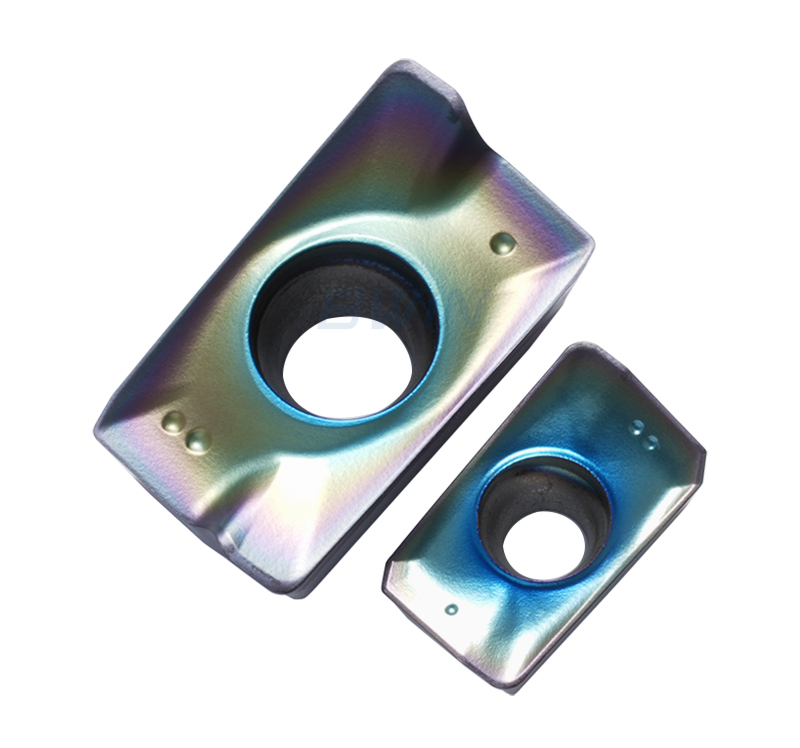
What Are APMT Milling Inserts?
APMT milling inserts are commonly used carbide inserts designed for general-purpose milling, rough machining, and semi-finishing operations.
The APMT insert series features a strong cutting edge and reliable wear resistance, making it suitable for machining various materials, including:
- Carbon steel
- Alloy steel
- Stainless steel
- Hardened steel
- Cast iron
The APMT1135PDER carbide milling insert provides efficient cutting performance for different CNC machining applications. It maintains excellent edge strength during continuous cutting and helps operators achieve stable machining results.
The APMT1135 insert and APMT1604 insert are widely applied in face milling cutters, shoulder milling cutters, and CNC machining centers.
Their advantages include:
- High wear resistance
- Stable cutting performance
- Strong cutting edge durability
- Reliable performance in roughing and semi-finishing operations
For manufacturers requiring consistent material removal and long tool life, APMT inserts provide an effective milling solution.
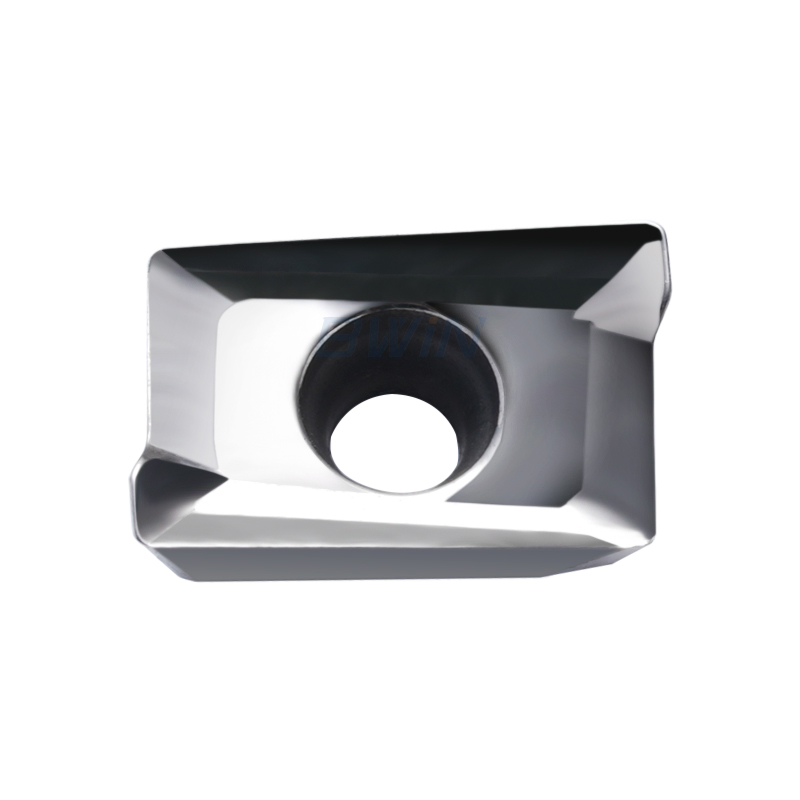
What Are APKT Milling Inserts?
APKT milling inserts are versatile carbide inserts designed for both rough milling and finish milling applications.
The APKT insert geometry provides excellent chip control and reduced cutting resistance, helping CNC machines achieve smoother machining performance.
The APKT1003 carbide milling insert can process a wide range of materials, including:
- Steel
- Cast iron
- Aluminum alloy
- Copper alloy
- Non-ferrous metals
- Plastic materials
With a carbide substrate hardness of HRA 91–93, the APKT1003 insert provides strong resistance against abrasive wear during long machining cycles.
It maintains cutting edge stability under recommended cutting speeds:
- Up to 300 m/min for aluminum machining
- Up to 180 m/min for steel machining
This allows CNC machines to maintain dimensional accuracy and consistent surface quality during high-volume production.
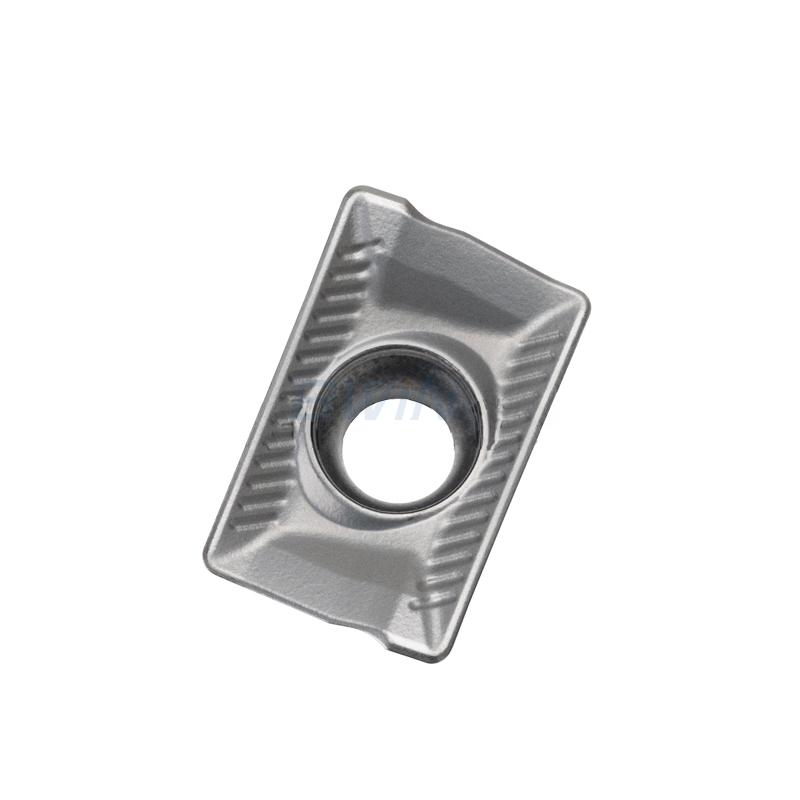
APMT vs APKT: What Are the Main Differences?
Although both APMT and APKT are popular carbide milling inserts, they have different characteristics.
1. Cutting Edge Design
The APMT insert features a strong cutting edge structure, making it suitable for applications requiring higher cutting strength.
It performs well in:
- Rough milling
- Heavy cutting
- Steel machining
- Difficult cutting conditions
The APKT insert focuses more on balanced cutting performance with smoother chip flow.
It is suitable for:
- General milling
- Semi-finishing
- Finishing operations
- Multi-material machining
2. Cutting Performance and Stability
The APMT insert provides excellent stability during aggressive cutting operations.
For example, the APMT1135PDER and APMT1604 inserts are designed to handle higher cutting loads while maintaining edge integrity.
This makes them suitable for manufacturers who need:
- Higher material removal rates
- Stable rough machining
- Longer tool life under heavy workloads
The APKT1003 insert provides smoother cutting performance by optimizing chip evacuation and reducing cutting resistance.
Its geometry helps:
- Lower cutting force
- Reduce vibration
- Improve surface finish
Under recommended machining conditions, APKT inserts can achieve surface roughness values of approximately Ra 0.8–1.6 μm.
Chipbreaker Options: APMT Provides Flexible Machining Solutions
One advantage of the APMT insert series is its multiple chipbreaker options.
Bwin APMT inserts are available with different geometries, including:
H2 Chipbreaker
The H2 groove is designed for light cutting and finishing applications.
It is suitable for:
- High-speed CNC machines
- Precision machining
- Finishing operations
The design helps achieve smooth chip control while maintaining surface quality.
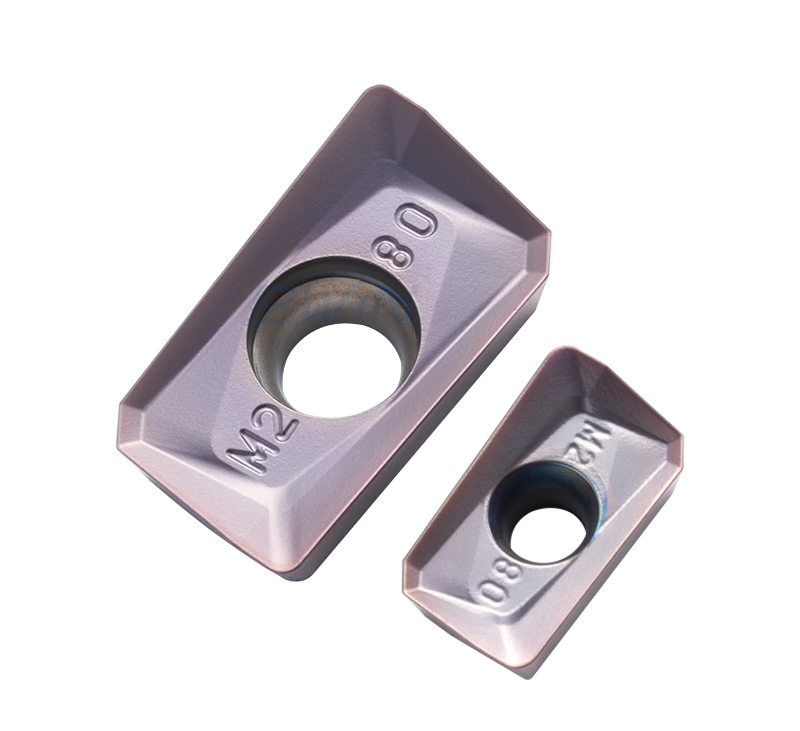
M2 Chipbreaker
The M2 groove provides balanced cutting performance for general machining applications.
It works well on:
- Standard CNC milling machines
- Medium cutting conditions
- General-purpose machining
This makes it a versatile option for manufacturers handling different production tasks.
XM Chipbreaker
The XM groove is designed for heavy cutting applications.
It supports:
- High feed rates
- Strong cutting conditions
- Rough milling operations
For powerful CNC machines requiring high productivity, XM geometry provides reliable performance.
Which Insert Provides Better Tool Life: APMT or APKT?
Tool life depends on multiple factors, including:
- Workpiece material
- Cutting speed
- Feed rate
- Cutting depth
- Cooling conditions
- Machine rigidity
The APMT insert is often preferred for applications requiring strong cutting performance and durability.
Its reinforced cutting edge helps resist:
- Impact loads
- Edge chipping
- Heavy cutting stress
The APKT insert provides excellent wear resistance and stable performance during continuous machining.
The APKT1003 carbide insert can extend tool life by approximately 1.5–2 times compared with conventional carbide grades under identical cutting conditions.
For batch production environments, this helps manufacturers reduce:
- Tool replacement frequency
- Machine downtime
- Overall machining costs
APMT vs APKT: Which One Should You Choose?
The right choice depends on your machining requirements.
Choose APMT Milling Inserts When You Need:
- Heavy-duty milling performance
- Strong cutting edge stability
- Rough machining capability
- High material removal rates
- Machining of steel and cast iron
Recommended products:
- APMT1135 insert
- APMT1604 insert
- APMT1135PDER carbide milling insert
Choose APKT Milling Inserts When You Need:
- Flexible machining applications
- Better chip evacuation
- Smooth cutting performance
- Improved surface finish
- Processing multiple materials
Recommended product:
- APKT1003 carbide milling insert
Why Choose Bwin Carbide Milling Inserts?
As an experienced carbide insert manufacturer, Bwin focuses on providing reliable cutting solutions for CNC machining industries.
Bwin milling inserts are designed to help manufacturers achieve:
- Stable cutting performance
- Extended tool life
- Improved machining efficiency
- Reduced production costs
Through optimized carbide substrates, advanced geometries, and strict quality control, Bwin provides professional solutions for industries requiring high-performance CNC cutting tools. Whether for rough milling, semi-finishing, or precision machining, Bwin carbide milling inserts help manufacturers achieve consistent and efficient machining results.
Conclusion
When comparing APMT vs APKT milling inserts, there is no single answer for every machining application. APMT inserts provide stronger cutting performance and excellent stability for roughing and heavy-duty milling operations. APKT inserts offer versatile performance, smoother cutting action, and better surface finish for general machining and finishing applications. By selecting the right insert based on material, machining conditions, and production requirements, manufacturers can improve productivity, extend tool life, and reduce machining costs. With high-quality APMT1135, APMT1604, and APKT1003 carbide milling inserts, Bwin helps CNC manufacturers achieve reliable and efficient cutting performance across a wide range of applications.
Add comment