
What Are the Benefits of HRC55 2 Flute Carbide End Mills?
When machining steel components, molds, or mechanical parts, the choice of end mill affects more than just cutting performance. Chip removal, tool stability, machining accuracy, and the number of tool changes all influence how efficiently a CNC operation runs.
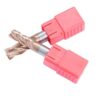
An HRC55 2 flute carbide end mill is a practical option for a range of milling tasks, particularly where slotting, side milling, and profile machining are involved. Its two-flute geometry leaves more space for chip evacuation, while the center-cutting design allows the tool to enter the workpiece directly.
For manufacturers working with carbon steel, alloy steel, and cast iron, this combination offers flexibility across different machining operations. But what makes a 2 flute carbide end mill worth considering, and where does it perform best?
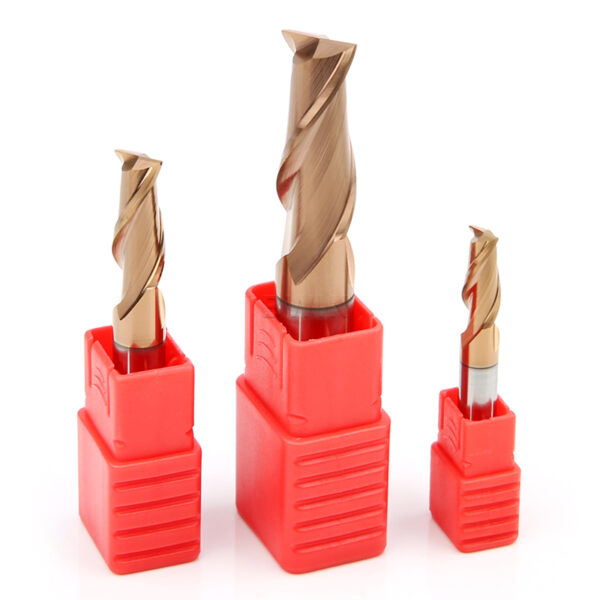
1. Two Flutes Provide More Room for Chip Removal
During slot milling, the cutting edges engage the workpiece along the width of the tool. Unlike side milling, where chips can often escape more freely, full-slot machining creates a more confined cutting area. If chips accumulate in the groove, they can interfere with the cutting process and affect the machined surface.
This is where the geometry of a 2 flute end mill becomes useful. With only two cutting edges, the tool has relatively wide flute spaces, giving chips more room to move away from the cutting zone.
For deeper slots and narrow grooves, effective chip evacuation is especially important. The wider channels help reduce chip congestion, although proper feed rates, cutting depths, and coolant conditions remain necessary. For manufacturers regularly producing slots, pockets, and similar features, a 2 flute slotting end mill is worth considering because its geometry is suited to these operations.
2. One Tool for Slotting, Side Milling, and Profile Machining
Changing tools between machining operations takes time. It also adds steps to tool management and increases the number of setups that may be required.
A center-cutting 2 flute flat end mill can handle several common CNC milling operations, provided the cutting conditions are appropriate. These include:
- Slot milling: Cutting straight grooves and flat-bottom slots.
- Side milling: Removing material along the sides of a workpiece.
- Profile milling: Machining external shapes and defined edges.
- Plunge cutting: Entering the workpiece directly using the center-cutting geometry.
- Contour machining: Following programmed paths to produce specific shapes.
This versatility is useful when machining components with several different features. For example, a mold component may require slots, vertical walls, and shaped edges within the same machining process. Using a suitable square end mill 2 flute can reduce the need to switch between different tool types for every operation.
It is still important to select the correct cutting strategy. Roughing and finishing have different requirements, and a single tool should not automatically be expected to deliver the best results for both.
3. Flat-End Geometry for Clean Shoulders and Bottom Surfaces
Not every milling operation requires a rounded cutting profile. Many industrial components need straight walls, square corners, and flat-bottom grooves.
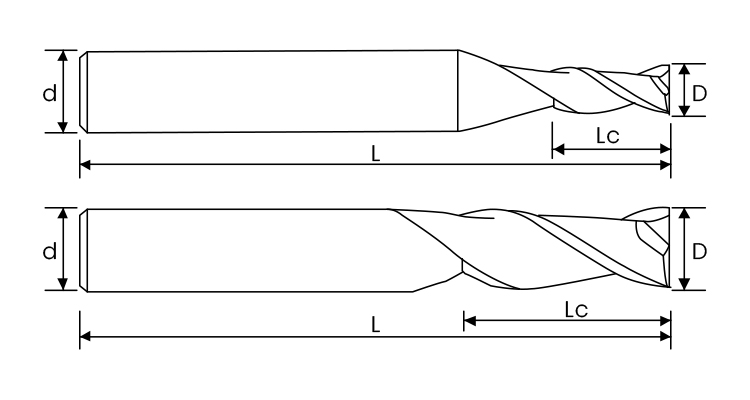
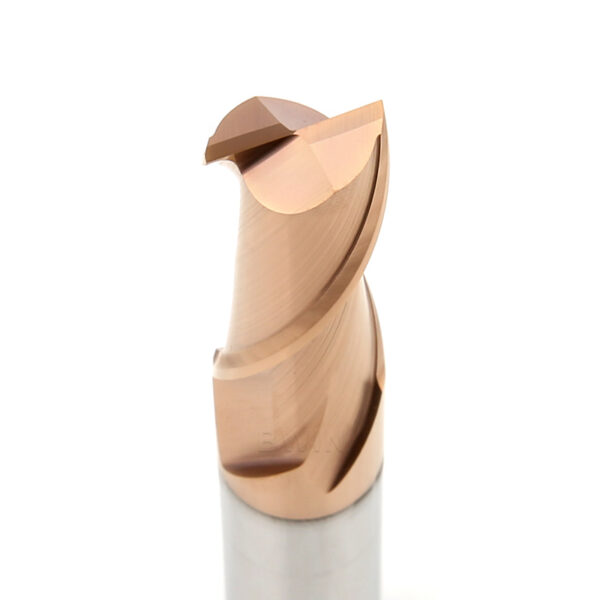
A square end mill 2 flute is designed for these types of features. Its flat cutting end produces a defined bottom surface, while the side cutting edges machine vertical walls and square shoulders.
This makes the carbide flat end mill suitable for machining mold cavities, mechanical components, fixtures, and other parts with straightforward geometric features.
For example, when producing a rectangular groove in a steel component, a flat end mill can machine the bottom and sides without requiring a ball nose tool. The final result depends on tool diameter, cutting depth, workholding, and the accuracy of the CNC setup.
4. HRC55 Carbide Construction for Industrial Milling
Tool material is another important consideration, particularly when machining materials such as carbon steel and alloy steel.
Carbide end mills are widely used in industrial machining because of their hardness and wear resistance. Compared with many conventional tool materials, carbide can maintain a hard cutting edge under demanding machining conditions.
The HRC55 designation identifies an important specification of this end mill, making it relevant when comparing tools for different machining applications. Buyers should check the manufacturer’s technical documentation to confirm the exact hardness specification and recommended workpiece range.
For this product, the stated application materials include carbon steel, alloy steel, and cast iron. These materials have different cutting characteristics, so the same speed, feed rate, and cutting depth should not be applied to all three without checking the machining recommendations. Selecting the right parameters for each material is essential to achieving consistent results and avoiding unnecessary tool wear.
5. Choosing Between Different Diameters, Including 6mm
Tool diameter affects how much material can be removed in each pass, how easily the tool reaches narrow features, and how much cutting load it experiences.
A 6mm flat end mill is a common choice for general CNC machining. It can be used for smaller slots, grooves, shoulders, and profile details where a larger cutter may not provide sufficient access.
For mold making, fixture production, and mechanical component machining, a 6mm CNC end mill can handle many everyday milling tasks. However, the right diameter depends on the dimensions of the feature being machined, the required tool reach, and the rigidity of the machine setup.
When sourcing a 2 flute flat end mill, it is worth checking the available diameter range rather than selecting a tool based on diameter alone. Shank size, overall length, cutting length, and holder compatibility are also relevant.
6. Compatibility with ER Collet and Hydraulic Tool Holders
The cutting tool is only one part of the machining setup. The holder also affects how securely the end mill is mounted and how consistently it performs.
This 2 flute carbide end mill is compatible with standard ER collet holders and hydraulic tool holders used in industrial machining.
ER collet systems are common in CNC machining centers because they accommodate different tool diameters through interchangeable collets. Hydraulic holders offer another clamping option for suitable machining applications.
Before installing an end mill, manufacturers should verify the shank diameter and the holder’s clamping range. Proper clamping, tool runout control, and machine rigidity all contribute to stable cutting.
A suitable holder cannot compensate for incorrect cutting parameters, but it is an important part of a reliable machining setup.
Where Can Bwin HRC55 2 Flute End Mills Be Used?
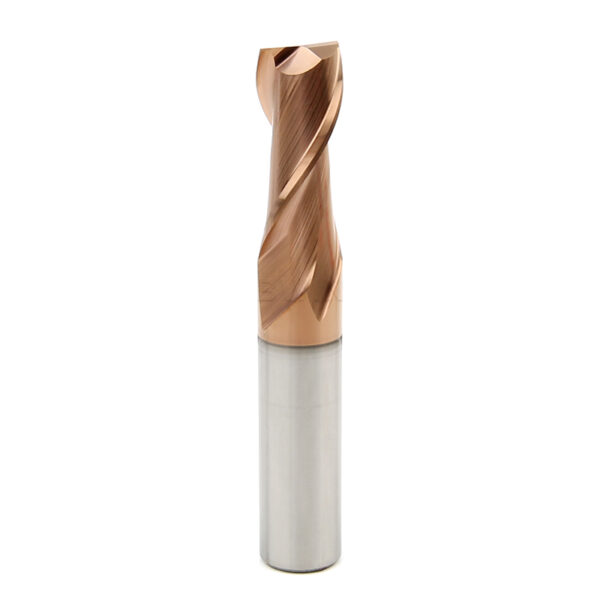
Bwin HRC55 2 flute end mills are intended for a range of CNC milling applications involving carbon steel, alloy steel, and cast iron.
Common applications include mold components, machine parts, production fixtures, steel components, and cast iron workpieces. Depending on the tool diameter and machining setup, they can be used for slotting, side milling, profile machining, and contour cutting.
For workshops handling different types of components, the ability to use one tool design across several operations can make tool selection and inventory management more straightforward.
When choosing a suitable model, buyers should consider the workpiece material, required slot or profile dimensions, cutting length, shank size, and machine holder. These details help determine whether a particular end mill matches the intended application.
Final Thoughts
A good end mill should match the job rather than simply offer the highest number of cutting edges. For slotting and general-purpose milling, a two-flute design offers a useful balance between cutting geometry and chip space. With carbide construction, center-cutting geometry, and a flat-end profile, the Bwin HRC55 2 flute end mill can be considered for a variety of machining tasks involving steel and cast iron. The final choice comes down to the workpiece, tool dimensions, machining operation, and machine setup. Getting these details right is what makes a cutting tool suitable for consistent production.
Frequently Asked Questions
What materials can an HRC55 2 flute end mill machine?
The product described here is intended for carbon steel, alloy steel, and cast iron. The appropriate cutting conditions vary according to the material and its hardness.
Why use a 2 flute end mill for slotting?
A two-flute design provides relatively wide chip spaces, allowing chips to move out of the cutting area more easily. This is useful when machining slots and grooves where chip accumulation can become a problem.
What is the difference between a 2 flute flat end mill and a ball nose end mill?
A flat end mill has a flat cutting tip and is used for flat-bottom slots, square shoulders, and straight profiles. A ball nose end mill has a rounded tip and is more commonly used for curved surfaces and three-dimensional contour machining.
Can a 2 flute carbide end mill perform plunge cutting?
Yes, if the tool has center-cutting geometry. This allows it to enter the workpiece from the center. Always confirm the tool specification before using it for plunge operations.
What is a 6mm flat end mill used for?
A 6mm flat end mill is commonly used for general CNC milling tasks, including smaller slots, grooves, and profile details. Its suitability depends on the workpiece dimensions, cutting depth, and machining conditions.

Add comment