
Why Use a Single Flute End Mill?
When machining aluminum, plastic, or acrylic, getting a clean finish can be just as important as cutting efficiently. If chips build up around the cutting edge or heat becomes difficult to control, the result may be rough edges, poor surface quality, or unnecessary downtime.
This is one reason many CNC operators choose a single flute end mill. With one cutting flute and a large chip space, it allows chips to move away from the cutting area more easily. For soft materials that produce a large amount of chips, this design can make a noticeable difference in everyday machining.
For workshops looking to improve cutting efficiency and surface quality, Bwin single flute end mills offer a practical option for a range of CNC cutting and engraving applications.
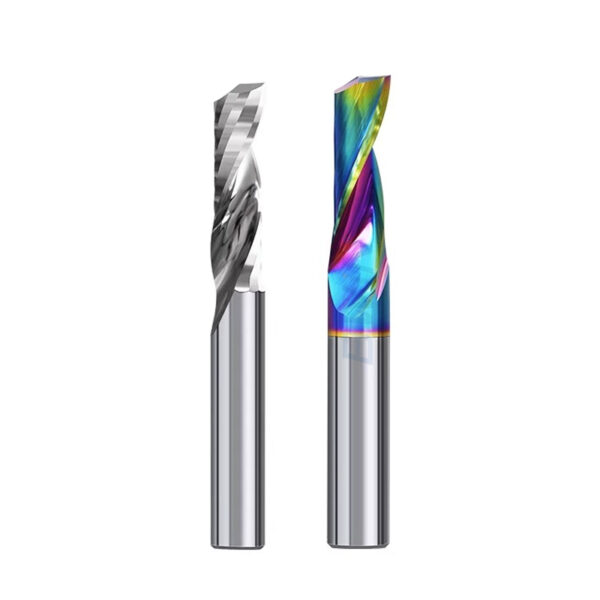
What Makes a Single Flute End Mill Different?
As the name suggests, a single flute end mill has one cutting flute instead of the multiple flutes found on conventional milling cutters.
The main difference is the space available for chip removal. A larger flute provides more room for chips to escape, helping reduce chip accumulation around the cutting edge. This is particularly useful when machining materials such as aluminum, acrylic, and plastic, where poor chip evacuation can affect the cutting result.
A 1 flute end mill can also be suitable for high-speed CNC applications when the cutting conditions are properly matched to the material and tool specifications.
Of course, flute count is only one factor in tool performance. Cutting speed, feed rate, tool geometry, material thickness, and machine rigidity all influence the final result.
4 Reasons to Use a Single Flute End Mill
1. Faster Chip Removal
Chip evacuation is a common challenge when machining soft materials. If chips remain in the cutting area, they may be cut repeatedly, increasing friction and affecting the finish.
A single flute end mill has a large flute space that helps carry chips away from the workpiece. This is useful when machining aluminum, plastic, and acrylic, where clean chip removal can help maintain a more consistent cutting process.
For CNC workshops handling repeated cutting jobs, efficient chip evacuation can also help reduce interruptions caused by chip buildup.
2. Better Heat Management
Heat is another factor to consider during CNC machining. When chips cannot escape easily, friction and repeated cutting can contribute to heat buildup. This may affect the workpiece surface and, in some cases, shorten tool life.
The open flute design of a single flute cutter helps clear chips from the cutting zone, supporting better heat management when the tool is used with suitable cutting parameters.
However, the flute design alone cannot eliminate heat. Feed rate, spindle speed, tool sharpness, material properties, and cooling or lubrication conditions should also be considered.
3. A Cleaner Surface Finish
For applications such as sign making, plastic component production, and acrylic engraving, the appearance of the finished edge matters.
A sharp cutting edge and polished flute surface can help reduce friction and support smoother chip flow. When the tool geometry and machining settings are appropriate, a 1 flute end mill can produce clean cutting results on suitable materials.
The actual finish will still depend on the workpiece, tool condition, machine setup, and cutting strategy. Choosing the right cutter is an important starting point, but it works best as part of a well-matched machining process.
4. Suitable for High-Speed CNC Machining
Single flute end mills are often used in high-speed machining applications involving soft materials. Their larger chip space helps accommodate chip removal when cutting conditions generate chips quickly.
For this reason, a single flute end mill for aluminum is worth considering for jobs where efficient chip evacuation is a priority. The same general design can also be useful for certain plastic and acrylic machining tasks.
High spindle speed alone does not guarantee better results. Operators should follow the tool manufacturer’s recommendations and adjust spindle speed and feed rate according to the material, tool diameter, cutting depth, and machine capabilities.
Which Materials Can You Machine with a Single Flute End Mill?
One reason single flute end mills are popular is their versatility across several non-ferrous and non-metallic materials.
- Aluminum: The large flute space helps remove chips efficiently, which is useful for many aluminum milling applications.
- Copper: Suitable tool geometry and cutting parameters can help manage chip formation and support a clean finish.
- Plastic: Proper chip removal can help reduce problems associated with accumulated chips and friction.
- Acrylic: A sharp cutting edge and suitable machining settings are important for achieving clean edges and reducing unwanted surface damage.
- MDF: Single flute cutters can be used for certain routing, profiling, and engraving tasks, depending on the cutter design and the required finish.
Not every single flute end mill is suitable for every material or application. Before selecting a tool, check its material compatibility, cutting geometry, diameter, shank size, and recommended operating conditions.
How to Choose the Right Single Flute End Mill
Choosing a cutter involves more than counting the number of flutes. A few practical checks can help you find a tool that matches your machining requirements.
Check the workpiece material. Aluminum, copper, plastics, acrylic, and MDF behave differently during cutting. Select a cutter designed for the material you process most often.
Consider the required finish. If clean edges and a smooth surface are important, pay attention to cutting-edge sharpness, flute finish, and the tool’s recommended applications.
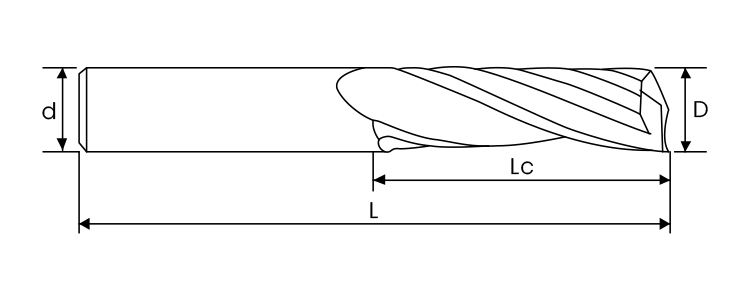
Match the tool to your machine. Confirm that the shank diameter and overall dimensions are compatible with your CNC machine, router, or engraving machine.
Review the cutting parameters. Spindle speed, feed rate, cutting depth, and tool engagement should be matched to the material and cutter specifications. Avoid assuming that a higher speed will always improve performance.
Consider the production workload. For repeated or long machining cycles, tool wear and process stability matter. Regularly inspect the cutting edge and remove accumulated chips to help maintain consistent results.
These checks can help operators avoid choosing a tool based on one feature alone and instead focus on overall machining performance.
Why Consider Bwin Single Flute End Mills?
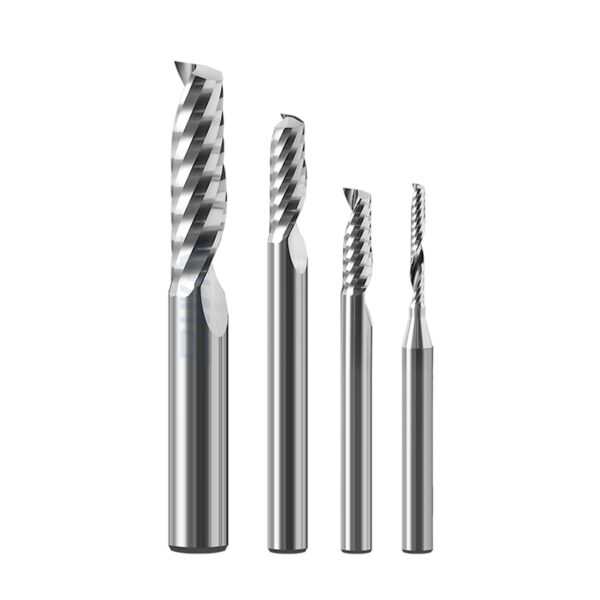
For workshops that regularly machine soft materials, Bwin single flute end mills are designed around several practical priorities: chip evacuation, cutting efficiency, and surface finish.
The large flute design provides space for chips to move away from the cutting area, while the sharp cutting edge supports precise cutting. A polished flute surface helps reduce friction and promotes smoother chip flow during operation.
These features make Bwin’s 1 flute end mill suitable for consideration in CNC machining, routing, engraving, sign making, and other applications involving compatible materials such as aluminum, copper, plastic, acrylic, and MDF.
The tools can be used with compatible standard CNC machines, routers, and engraving machines, provided that the shank dimensions and operating specifications match the equipment.
For buyers comparing a single flute end mill for CNC machining, the key is to look beyond the flute count. Material compatibility, tool dimensions, machine setup, and recommended cutting conditions all play a role in achieving reliable results.
Conclusion:
A single flute end mill is worth considering when chip removal, heat management, and surface quality are important in soft material machining. Its large flute space helps clear chips efficiently, while a sharp cutting edge and polished flute surface support clean, consistent cutting under suitable operating conditions.
From aluminum milling to acrylic cutting, plastic routing, and MDF engraving, the right single flute end mill can help simplify a range of CNC tasks.
Bwin single flute end mills offer a practical option for workshops seeking tools for these applications. By matching the cutter to the material, machine, and cutting parameters, operators can make better use of its design and achieve more consistent machining results.
Frequently Asked Questions
What is a single flute end mill used for?
A single flute end mill is commonly used for machining materials such as aluminum, copper, plastic, acrylic, and MDF. Its large flute space helps remove chips efficiently, making it useful for compatible CNC milling, routing, and engraving applications.
Why use a 1 flute end mill for aluminum?
A 1 flute end mill provides more space for chip evacuation than many multi-flute designs. This can help reduce chip buildup during aluminum machining, provided that the tool geometry and cutting parameters are appropriate.
Can a single flute end mill be used for plastic and acrylic?
Yes. Single flute end mills are often considered for plastic and acrylic machining because efficient chip removal is important for maintaining cutting quality. The appropriate tool geometry and machining settings depend on the specific material.
Does a single flute end mill improve surface finish?
It can help produce a clean surface when the cutting edge is sharp, chips are removed effectively, and the machining parameters are suitable. Surface finish also depends on machine rigidity, workpiece properties, tool condition, and cutting strategy.
How do I choose the right single flute end mill?
Start by identifying the workpiece material and required finish. Then check the cutter diameter, shank size, cutting geometry, machine compatibility, and recommended spindle speed and feed rate before making a selection.
Add comment