
Single Profile vs. 3-Tooth vs. Full Profile Thread Mill: How to Choose
Choosing a thread milling cutter isn’t just about finding a tool that matches the thread size. The cutter design, workpiece material, and machining requirements all affect the final result. Using the wrong tool can make it harder to achieve the required thread quality or maintain a consistent machining process.
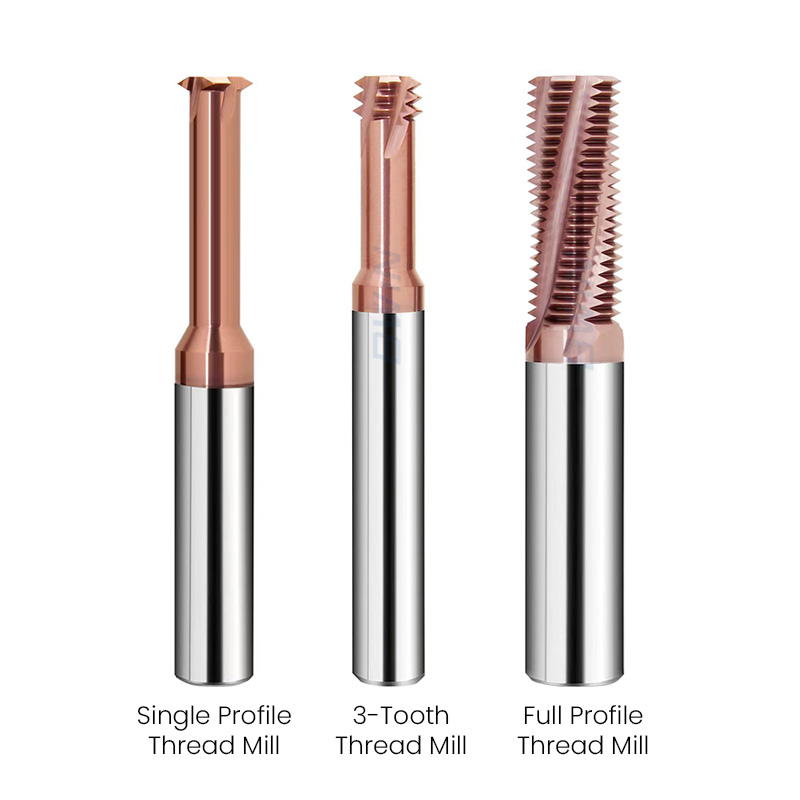
When comparing a single profile thread mill, a 3-tooth thread mill, and a full profile thread mill, it’s important to understand that these names describe different aspects of the tool. Single profile and full profile refer to the thread-cutting profile, while 3-tooth refers to the number of cutting teeth.
So, which one should you choose? The answer depends on the thread you need to produce and the conditions in which you’ll be machining it. Here’s what to consider before making a decision.
What Is a Single Profile Thread Mill?
A single profile thread mill uses a specific cutting profile to machine threads through a programmed CNC toolpath. Depending on its design and supported range, it may be used for different thread diameters or pitches without requiring a separate cutter for every size.
This can be useful for workshops that handle a variety of threading jobs. Instead of choosing a tool based only on the nominal thread diameter, operators can check whether one cutter supports the required thread specifications.
However, the tool’s actual capabilities depend on its cutting geometry and manufacturer recommendations. Thread pitch, profile compatibility, and CNC programming all need to be considered before machining.
For this reason, a single profile thread mill is worth evaluating when flexibility across compatible thread sizes is an important part of the job.
What Makes a 3-Tooth Thread Mill Different?
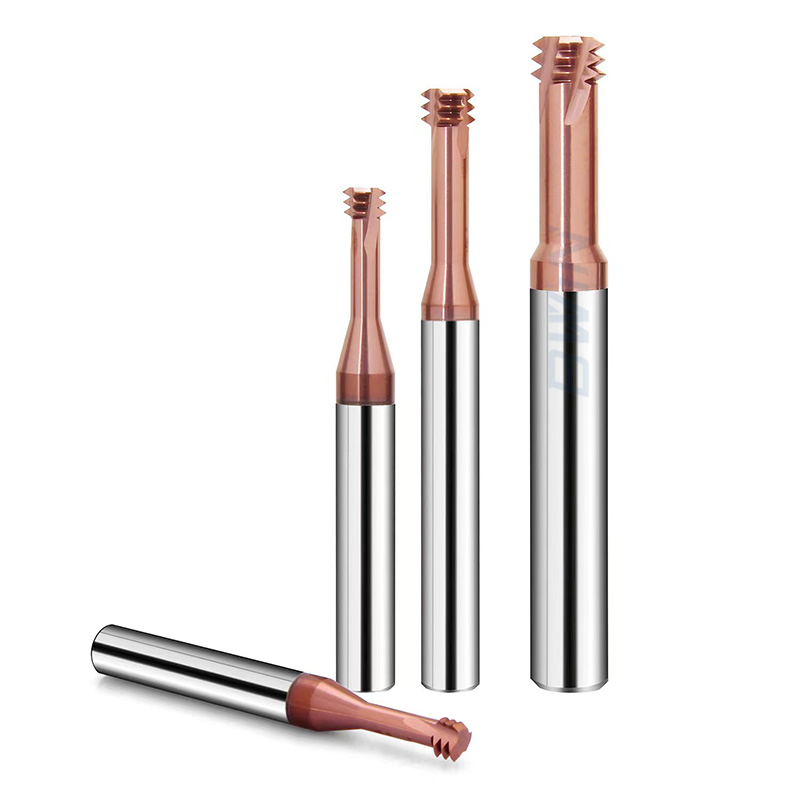
A 3-tooth thread mill is identified by its three cutting teeth. Rather than describing the thread profile itself, the term tells you how many cutting teeth the tool has.
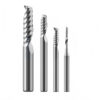
Bwin’s 3-tooth thread mill features a solid carbide body and is designed for CNC machining of ISO metric threads. It supports both internal and external thread milling and is suitable for a range of engineering materials.
Key features include:
- Solid carbide construction: Provides hardness, wear resistance, and rigidity for machining applications.
- Three cutting teeth: A multi-tooth design for CNC thread milling.
- ISO metric thread compatibility: Designed for metric threading applications within the tool’s specified range.
- Multiple material applications: Suitable for alloy steel, tool steel, mold steel, stainless steel, manganese steel, and titanium alloy.
- Internal and external thread milling: Can be used for both operations when the tool specification and machining setup are appropriate.
For mold making, automotive manufacturing, machinery production, and general metalworking, the Bwin 3-tooth thread mill is an option worth considering when its specifications match the job.
As always, the recommended cutting speed and feed rate should be selected according to the workpiece material, thread dimensions, and machine capabilities.
What Is a Full Profile Thread Mill?
A full profile thread mill is designed to machine the complete specified thread form within its intended application range. Depending on the cutter design, its geometry can form the thread flanks, crest, and root.
This makes the full profile design worth considering when the required thread geometry needs to be produced consistently. However, the tool must match the required thread standard, pitch, and size.
A full profile cutter is not necessarily the right choice for every threading job. If a workshop handles different thread specifications, tool compatibility and the number of sizes supported by a particular cutter should be checked before purchasing.
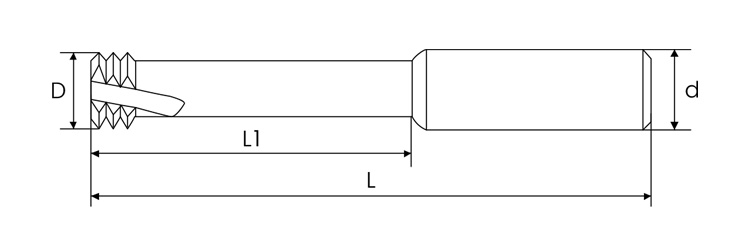
The most useful approach is to compare the actual tool drawings and specifications rather than relying on the product name alone.
Single Profile vs. 3-Tooth vs. Full Profile: What’s the Difference?
The first thing to understand is that these three terms do not describe exactly the same feature. A single profile or full profile thread mill is classified by its cutting profile, while a 3-tooth thread mill is classified by its number of cutting teeth.
That distinction matters when comparing tools.
1. Cutting Profile
A single profile thread mill uses a defined cutting profile to produce the thread through the CNC toolpath. A full profile thread mill is designed to produce the complete thread form within its specified range.
A 3-tooth thread mill, on the other hand, has three cutting teeth. Its actual thread profile depends on the cutter’s design, so the tooth count alone does not tell you whether it is a single profile or full profile tool.
2. Thread Size and Pitch
Not every thread mill supports the same thread sizes or pitches. Before selecting a cutter, check the required nominal diameter, pitch, thread standard, and tolerance.
A single profile cutter may offer flexibility across compatible thread sizes. A full profile cutter is generally selected for a defined thread form and supported size range. For Bwin’s 3-tooth thread mill, refer to the product specifications to confirm the available thread sizes and pitches.
3. Workpiece Material
Material compatibility can make a significant difference to tool performance. A cutter suitable for one material may not be the best choice for another.
Bwin’s solid carbide 3-tooth thread mill is designed for machining alloy steel, tool steel, mold steel, stainless steel, manganese steel, and titanium alloy. When comparing it with other thread milling cutters, check the recommended material range and cutting conditions for each tool.
4. Machining Requirements
Think about the actual job rather than choosing a cutter based on one feature.
If you regularly machine different thread sizes, flexibility may be important. If you’re producing a specific thread form repeatedly, a compatible full profile cutter may be worth considering. If you need a three-tooth design for your CNC threading operation, check whether the Bwin tool’s specifications match your material and thread requirements.
There isn’t one thread mill that suits every application. The best choice is the one that meets the drawing requirements and works well with your machining setup.
How to Choose the Right Thread Mill for Your CNC Machine
Before ordering a CNC thread milling cutter, take a moment to check a few practical details.
Start with the thread specification. Confirm the thread standard, nominal diameter, pitch, and required tolerance. These details determine which tools are compatible with the job.
Check whether the thread is internal or external. Some cutters are designed for specific applications, while others support both. Bwin’s 3-tooth thread mill is intended for internal and external thread milling.
Consider the workpiece material. Alloy steel, stainless steel, tool steel, and titanium alloy can require different cutting conditions. Make sure the selected tool is suitable for the material being machined.
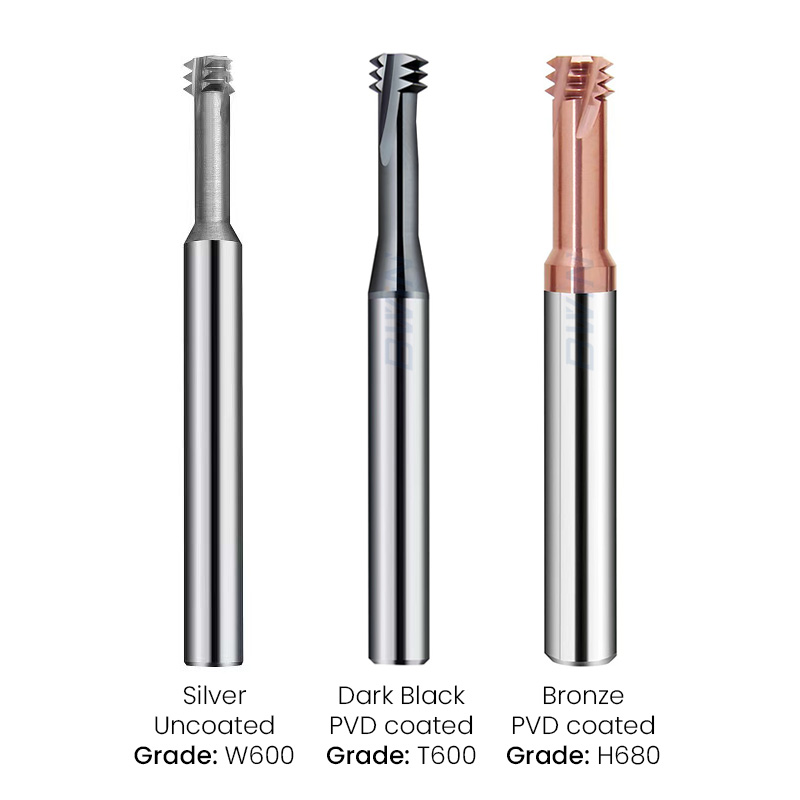
Review the tool dimensions. Cutter diameter, shank size, cutting length, and other specifications should match the machine setup and machining requirements.
Confirm CNC compatibility. The machine must support the required thread milling toolpath. For many applications, this includes helical interpolation and suitable CNC programming.
Think about production needs. For repeat jobs, consistent thread quality and tool wear are important. For mixed production, the supported thread range and flexibility of the cutter may matter more.
Checking these details before machining can help avoid unnecessary tool changes and reduce the risk of selecting a cutter that doesn’t meet the job requirements.
Why Consider Bwin’s 3-Tooth Thread Mill?
For manufacturers working with engineering metals, Bwin’s solid carbide 3-tooth thread mill is designed for ISO metric thread milling on compatible CNC machining centers.
Its three-tooth design and solid carbide body make it suitable for applications involving alloy steel, tool steel, mold steel, stainless steel, manganese steel, and titanium alloy. It can also be used for both internal and external thread milling when the tool dimensions and machining conditions are appropriate.
These applications include mold making, automotive manufacturing, machinery production, and general metalworking.
If you’re comparing Bwin’s 3-tooth thread mill with a single profile or full profile alternative, focus on the thread specifications, material compatibility, and intended cutting geometry. Confirming these details is more useful than choosing a cutter simply because it has more teeth or a particular profile designation.
Conclusion:
Choosing between a single profile, 3-tooth, and full profile thread mill starts with understanding what each term means. Single profile and full profile describe the thread-cutting profile, while 3-tooth refers to the number of cutting teeth.
Once that distinction is clear, consider the thread size, pitch, workpiece material, machine capability, and production requirements. These factors will help you identify a cutter that suits the job.
Bwin’s solid carbide 3-tooth thread mill is designed for ISO metric thread milling in a range of engineering metals, with support for internal and external threads. Checking the product specifications against your machining requirements is the most reliable way to determine whether it is the right fit.
Add comment