
How to Choose the Right CNGA Ceramic Inserts for CNC Machining?
In modern CNC machining, tool selection directly affects productivity, surface quality, and overall production cost. Among advanced cutting tools, CNGA ceramic inserts have become a preferred choice for high-speed and high-precision turning applications, especially when machining hardened materials.
However, choosing the right type is not always straightforward. Different grades, geometries, and sizes of ceramic CNGA inserts can significantly impact machining performance. This article explains how to select the most suitable option for your CNC operations, with a focus on efficiency, stability, and tool life.
⚙️ Understanding CNGA Ceramic Inserts in Machining
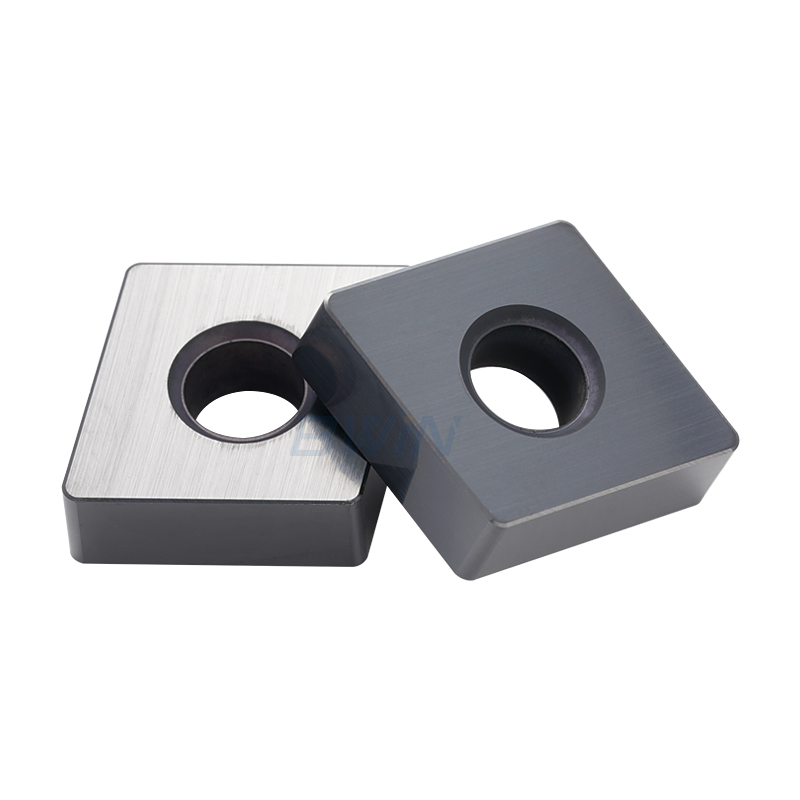
CNGA cutting inserts are square-shaped negative rake inserts made from advanced ceramic materials. They are designed for high-speed turning applications where heat resistance and wear resistance are critical.
Compared with conventional carbide tools, CNGA ceramic inserts offer superior performance in extreme machining environments, particularly in continuous cutting of hard materials.
🔥 1. Consider the Workpiece Material
The first step in selecting the right insert is understanding the material being machined.
CNGA turning inserts are especially effective for:
- Hardened steel (HRC 45–65)
- Cast iron
- High-temperature alloys (in specific applications)
For these materials, ceramic inserts maintain hardness even under extreme cutting temperatures, making them more stable than traditional carbide tools.
⚙️ 2. Choose the Correct Insert Geometry
Different geometries of CNGA ceramic inserts are designed for different machining needs.
Common considerations include:
- Edge strength vs. sharpness balance
- Chip control performance
- Cutting stability during high-speed operations
A well-optimized geometry helps reduce cutting resistance and improves surface finish quality.
🔄 3. Select the Right Insert Size
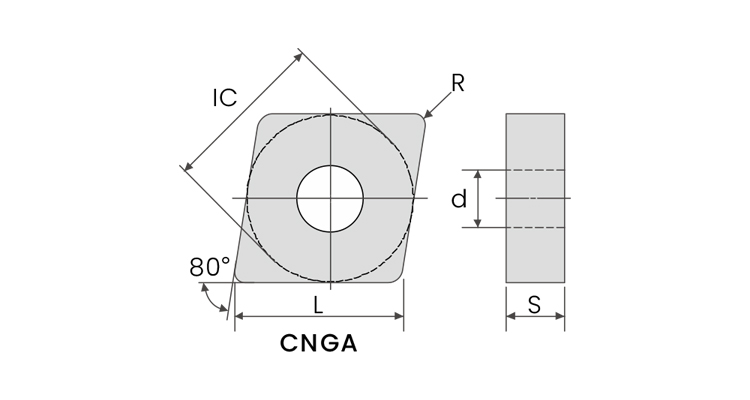
Size selection plays a key role in machining efficiency and tool stability. Common models include:
- CNGA120404
- CNGA120408
- CNGA120412
Smaller inserts are suitable for precision finishing, while larger inserts provide better strength for rough machining. Choosing the correct size ensures better adaptability in different CNC applications.
⚡ 4. Match Cutting Conditions
CNGA cutting inserts perform best under specific cutting conditions:
- High cutting speed
- Stable machining environment
- Continuous turning operations
Because ceramic materials are heat-resistant, they are ideal for high-speed machining where carbide tools may wear quickly.
🧠 5. Evaluate Tool Life and Cost Efficiency
One of the biggest advantages of ceramic CNGA inserts is their long tool life. They significantly reduce wear, which helps:
- Lower tool replacement frequency
- Improve machining consistency
- Reduce overall production cost
This makes them a cost-effective solution for mass production environments.
🏭 Bwin CNGA Ceramic Inserts Performance Advantage
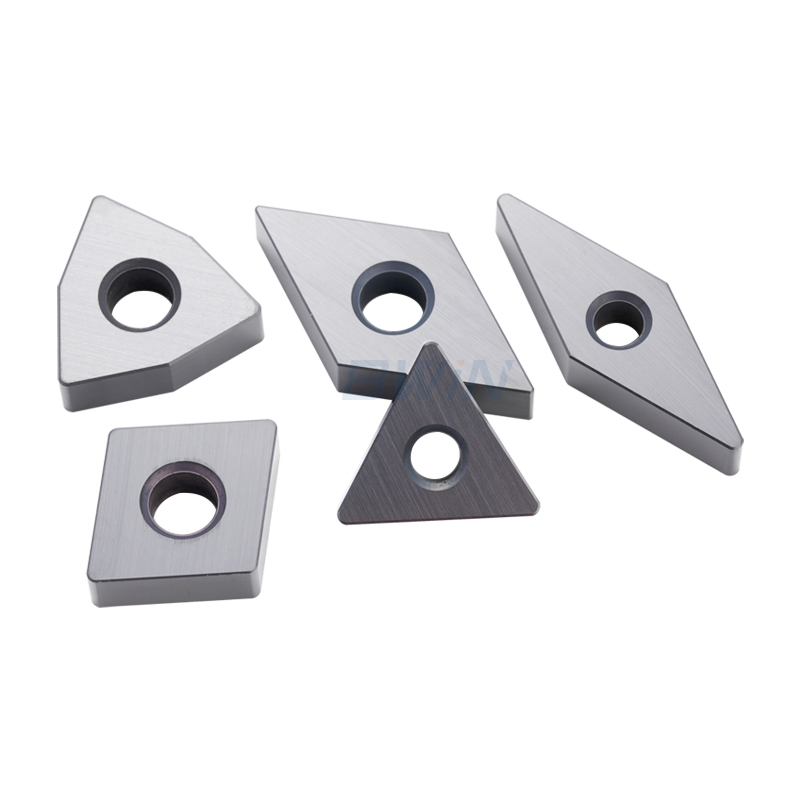
Bwin CNGA ceramic inserts deliver reliable performance in demanding machining environments. They handle high temperatures with ease and maintain cutting stability during high-speed operations. As a result, users can increase productivity while keeping consistent machining quality. Moreover, these ceramic inserts reduce tool wear and extend service life, which helps lower overall machining costs.
In addition, these CNGA inserts work especially well for hardened steel and cast iron. Their strong hardness allows them to cut difficult materials efficiently without losing edge sharpness. Furthermore, the optimized geometry improves chip control and reduces cutting resistance. Because of this, operators can achieve smoother surface finishes and better dimensional accuracy.
These turning inserts also offer excellent compatibility with standard CNC tool holders. Users can install them quickly and start machining without complicated adjustments. Whether you use CNGA120404, CNGA120408, or CNGA120412, each size supports different machining needs. Therefore, these CNGA cutting tools provide a flexible and efficient solution for modern CNC turning tasks.
📌 Final Thoughts
Choosing the right CNGA ceramic inserts depends on a combination of material type, machining conditions, insert geometry, and size selection. When properly matched, ceramic CNGA inserts can significantly improve machining efficiency, reduce tool wear, and enhance surface quality.
For manufacturers seeking stable and high-performance turning solutions, Bwin CNGA cutting inserts offer a reliable option for modern CNC machining applications.
Add comment