
How Does PCD Insert Selection Affect Surface Finish in Aluminum Machining?
A smooth aluminum surface does not happen by chance. In CNC machining, the final finish depends on several factors, including the workpiece material, cutting conditions, machine stability, and the insert used to remove material.
For manufacturers producing aluminum housings, automotive components, electronic parts, or precision-machined components, even small changes in surface quality can create problems. Visible tool marks may affect the appearance of a finished part, while inconsistent surface roughness can lead to additional finishing work and longer production cycles.
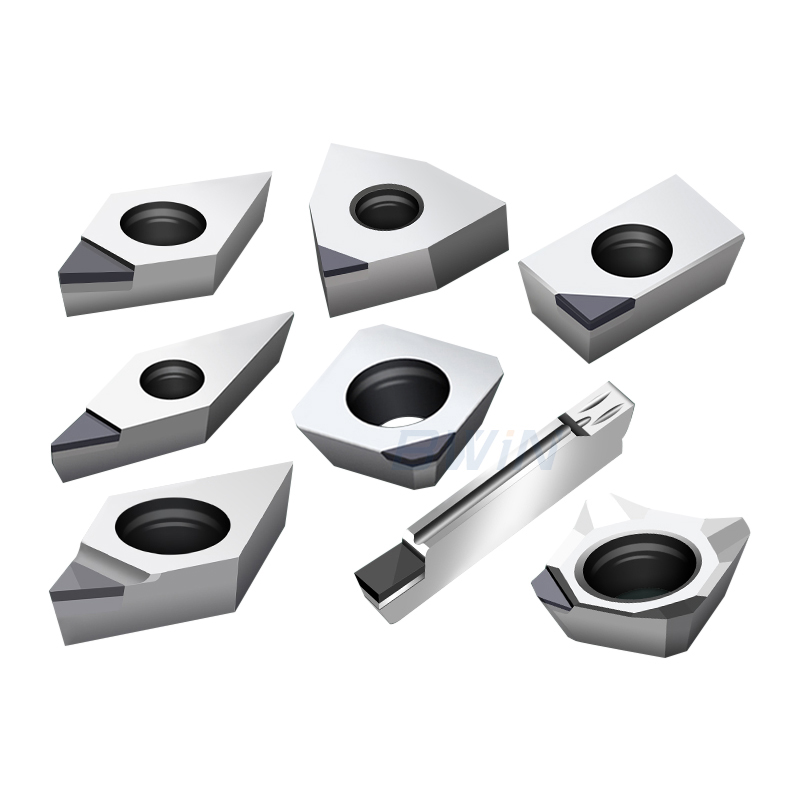
This is where PCD inserts for aluminum machining can make a difference. Polycrystalline diamond is known for its hardness and wear resistance, making it suitable for many non-ferrous metal machining applications. However, using a PCD insert does not automatically guarantee a perfect finish. The insert must match the material, cutting operation, and quality requirements.
Understanding what to look for during insert selection can help manufacturers get more consistent results from their CNC machining processes.
Why Can Aluminum Be Difficult to Finish Properly?
Aluminum is generally considered easy to machine, but producing a consistently smooth surface can still be challenging.
One common problem is material adhesion. During cutting, aluminum may stick to the tool’s cutting edge and gradually form a built-up edge. When this material breaks away, it can disturb the cutting action and leave scratches, smearing, or irregular marks on the workpiece.
Tool wear is another factor. As the cutting edge deteriorates, the insert may no longer remove material as cleanly as it did at the beginning of the machining cycle. Vibration, poor chip evacuation, and unsuitable feed rates can also affect the finished surface.
These problems are not always caused by the cutting tool itself. A suitable insert can still produce disappointing results if the workpiece is poorly supported or the machining parameters are inappropriate.
For this reason, choosing PCD cutting inserts should be part of an overall machining assessment rather than a quick response to every surface finish problem.
1. PCD Grade and Grain Size: Start with the Material Being Machined
PCD, or polycrystalline diamond, consists of diamond particles bonded together to form a hard cutting material. Different PCD grades offer different combinations of wear resistance, cutting edge characteristics, and resistance to damage.
Grain size is one consideration when the application requires a particular surface finish.
Fine-grain PCD grades can support sharp, refined cutting edges that are useful in precision finishing applications. These characteristics make them worth considering when machining aluminum components with demanding surface appearance or roughness requirements.
However, finer grain size is not a guarantee of better results in every situation. The appropriate grade also depends on the aluminum alloy, machining conditions, and expected tool life. An insert designed for a stable finishing operation may not be the best choice for interrupted cutting or a process that places greater demands on edge strength.
Manufacturers should therefore evaluate the complete PCD grade specification instead of selecting an insert based on grain size alone.
2. Cutting Edge Geometry Can Change the Way Aluminum Is Cut
Two PCD inserts made from similar materials can produce different results when their cutting edge geometries differ.
A sharp cutting edge helps separate material cleanly. If the edge is unsuitable for the application, the tool may push or rub against the aluminum instead of cutting it efficiently. This can increase cutting forces and contribute to surface irregularities.
Rake geometry also matters. A suitable rake angle helps control how the cutting edge engages with the workpiece and how chips move across the tool face. In many aluminum machining applications, positive rake geometry can help reduce cutting resistance and improve chip flow.
The balance is important, though. An edge designed to provide a very smooth finish still needs enough strength for the actual cutting conditions.
When selecting PCD diamond inserts, manufacturers should consider the workpiece alloy, depth of cut, feed rate, and whether the operation involves continuous or interrupted cutting. These details help determine which edge geometry is appropriate for the job.
3. Does Tool Nose Radius Affect Aluminum Surface Finish?
In turning operations, tool nose radius has a direct relationship with the surface profile left behind by the cutting edge.
A properly selected radius can help produce a smoother turned surface when paired with a suitable feed rate. A larger nose radius may improve the theoretical surface profile under appropriate conditions, but it can also increase radial cutting forces. If the workpiece, toolholder, or machine setup lacks rigidity, those forces may cause vibration and spoil the finish.
A smaller nose radius may be useful when machining detailed features or when cutting forces need to be controlled. However, the best choice depends on the geometry of the component and the required surface quality.
This is why selecting PCD turning inserts requires more than choosing the largest available nose radius. The insert geometry, feed rate, and machine stability must work together.
If an aluminum part shows regular tool marks, reviewing the relationship between feed rate and nose radius is a sensible starting point. If the surface instead shows random scratches or smearing, chip interference, material adhesion, or tool condition may be more relevant.
Identifying the type of surface defect can help narrow down the cause before making a tooling change.
4. How to Deal with Built-Up Edge and Aluminum Adhesion
Built-up edge is a familiar challenge in aluminum machining. Material adheres to the cutting edge, changes the effective tool geometry, and can eventually break away during cutting. The result may be an inconsistent surface even when the insert initially performs well.
PCD offers excellent hardness and wear resistance, but it does not eliminate aluminum adhesion under all cutting conditions.
A few practical checks can help:
- Inspect the cutting edge. Look for adhered aluminum, wear, or damage that may interfere with clean cutting.
- Review the cutting parameters. Cutting speed, feed rate, and depth of cut influence the cutting process and should suit both the workpiece and insert.
- Check chip evacuation. Chips that rub against the finished surface can leave marks, particularly when machining pockets or confined features.
- Consider the rake face and edge preparation. Suitable geometry can help reduce friction and support more consistent chip flow.
- Review lubrication where applicable. The right coolant or lubrication strategy may help control adhesion, depending on the material and machining process.
The important point is to identify what is happening at the cutting edge. Replacing an insert with a more expensive grade may not solve a problem caused by poor chip evacuation or an unstable setup.
5. PCD Turning Inserts and Milling Inserts Serve Different Needs
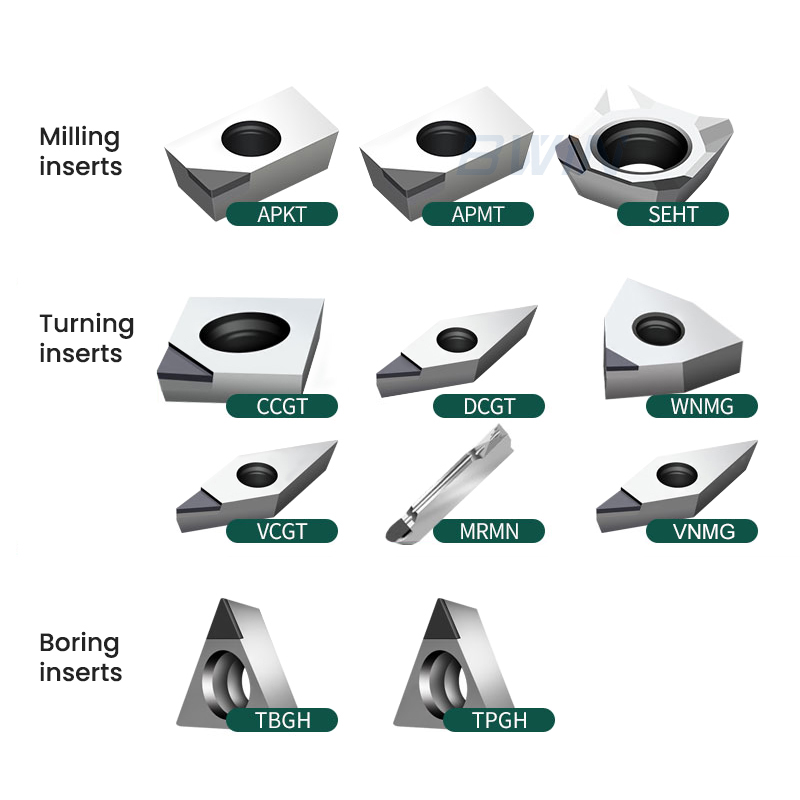
The cutting process should influence the insert selection from the start. Turning and milling place different demands on the cutting edge, even when both operations involve aluminum.
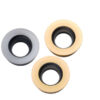
PCD Turning Inserts for Consistent Machined Surfaces
PCD turning inserts are used in applications such as turning aluminum housings, rings, shafts, and other non-ferrous components. Where surface finish and dimensional consistency are priorities, edge sharpness, nose radius, and stable tool positioning deserve particular attention.
A worn edge can gradually change the surface produced during a long production run. Regular inspection helps manufacturers identify changes before they result in a larger batch of nonconforming parts.
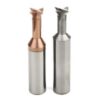
PCD Milling Inserts for Aluminum Components
PCD milling inserts are suitable for selected milling applications involving aluminum and other appropriate materials. Because the cutting edge repeatedly enters and leaves the workpiece, cutter runout, tool balance, clamping, and machine rigidity can affect the finish.
If one cutting edge sits differently from the others, the inserts may not share the cutting load evenly. This can create uneven tool marks or place unnecessary stress on individual edges.
For milling, checking the complete cutter assembly is therefore just as important as selecting the insert itself.
In both operations, polycrystalline diamond tools should be matched to the actual cutting conditions. The best insert for one operation may not be suitable for another, even when the workpiece material is similar.
6. What to Check When the Finished Aluminum Surface Is Not Good Enough
When a machined part fails to meet its surface finish requirement, changing the insert should not always be the first move. A short, structured inspection can often reveal a more practical solution.
Start by examining the surface itself. Regular marks may point toward the feed rate, tool nose radius, or cutter setup. Smearing and material transfer may indicate aluminum adhesion. Random scratches could result from trapped chips, contamination, or damage to the cutting edge.
Next, inspect the insert and the machine setup. Check whether the edge is worn or chipped, whether the tool is securely clamped, and whether the workpiece has sufficient support. For milling, examine cutter runout and the condition of the other cutting edges as well.
Once the likely cause is clear, review the PCD grade and geometry. A different edge preparation, grain size, or nose radius may be appropriate, depending on what the inspection reveals.
Finally, adjust the cutting parameters in a controlled way. Changing one variable at a time makes it easier to understand which adjustment improves the result. Surface roughness measurements and inspection of the finished component can then confirm whether the change has worked.
This approach helps manufacturers avoid unnecessary tool changes and focus on the factors that actually affect machining quality.
Bwin PCD Inserts for Aluminum Machining
Selecting a cutting tool is easier when the decision starts with the machining requirement rather than a general claim about tool performance.
Bwin provides PCD cutting tool solutions for applications involving non-ferrous and other suitable materials. Depending on the product specification, its PCD inserts may be considered for CNC turning, milling, and precision finishing operations.
For aluminum machining, the important questions are practical. What alloy is being cut? Is the operation roughing or finishing? Does the component require a particularly smooth surface, or is dimensional consistency the main concern? Are built-up edge and premature wear affecting production?
These details help establish which insert grade and geometry deserve consideration. They also make it easier to evaluate whether a proposed tool is suitable for the intended machining process.
For buyers sourcing PCD turning inserts, PCD milling inserts, and polycrystalline diamond tools, clear specifications and application-based recommendations are more useful than relying on hardness or tool life claims alone.
Final Thoughts
A good aluminum surface finish depends on more than the cutting material. PCD grade, grain size, cutting edge geometry, and tool nose radius all influence the way an insert removes material. Machine rigidity, chip evacuation, and cutting parameters complete the picture.
When surface quality falls below expectations, the most effective solution is to identify the cause before changing the tool. In some cases, a different PCD insert will make the difference. In others, correcting built-up edge, vibration, or chip interference may be just as important.
By matching PCD inserts for aluminum machining to the workpiece and the actual cutting operation, manufacturers can make more informed tooling decisions and work toward a more consistent finish.
Explore Bwin’s PCD cutting tool range to evaluate options for your aluminum machining and precision finishing requirements.
Add comment