
How to Match RPMT Milling Inserts with the Right Cutter Body?
Choosing an RPMT milling insert is not just a matter of finding the right size. The insert also needs to fit the cutter body correctly and suit the material being machined. If these details are overlooked, even a good-quality carbide insert may fail to deliver the expected results.
For CNC machining shops and tooling buyers, the best place to start is with the existing cutter body. Its insert pocket, clamping arrangement, and recommended insert specifications will help narrow down the options. BWIN offers RPMT carbide milling inserts for a range of metalworking applications, including machining carbon steel, alloy steel, stainless steel, and cast iron.
Start with the Cutter Body, Not Just the Insert Name
Two milling inserts may look similar at first glance but still be incompatible with the same cutter body. Differences in thickness, seating geometry, or other dimensions can affect how securely an insert fits.
Before ordering replacement RPMT milling inserts, check the cutter body’s model number and the insert specifications listed by its manufacturer. If the original insert is available, use its full designation as a reference rather than relying on appearance alone.
A few details are worth confirming before making a purchase:
- Insert designation: Check the complete model code.
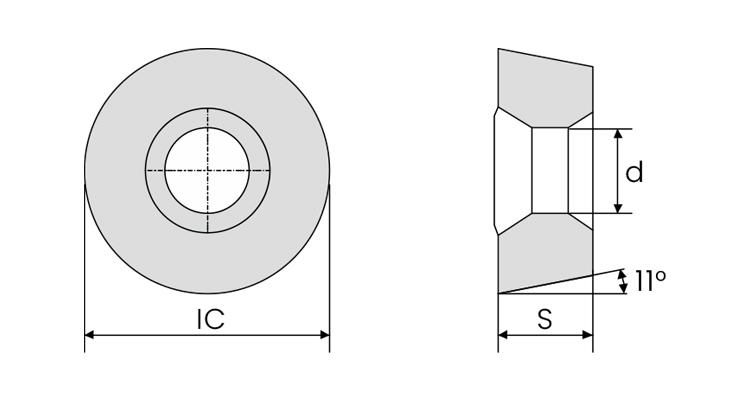
- Dimensions: Verify the specified size and thickness.
- Insert pocket: Make sure the insert geometry matches the pocket.
- Clamping system: Confirm that the insert works with the cutter body’s retaining components.
Getting these details right at the beginning can save time on trial orders and help prevent installation problems on the shop floor.
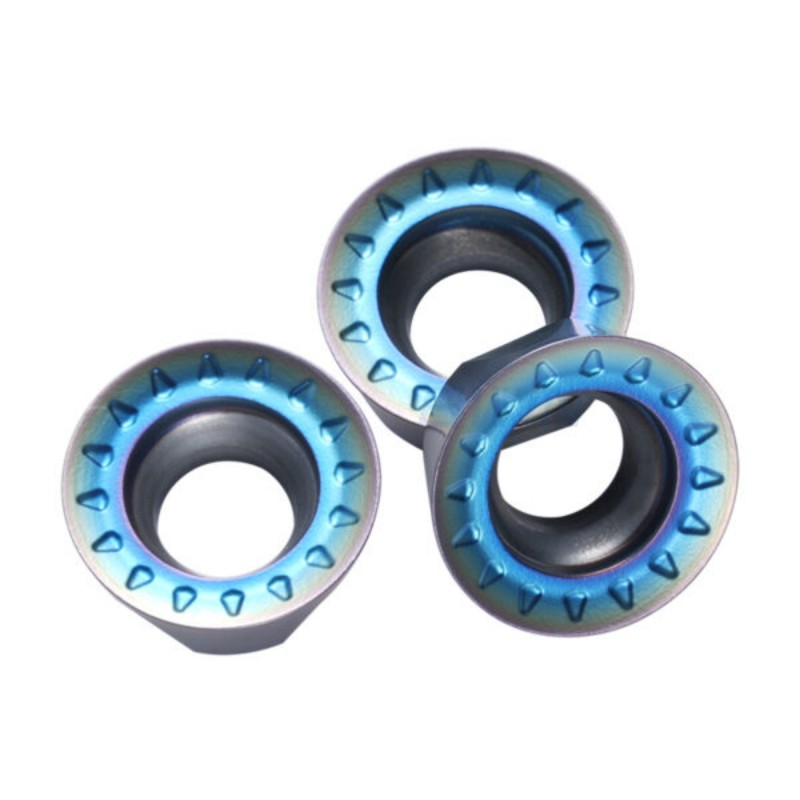
Check How the Insert Sits in the Cutter Body
A milling insert needs firm, even support during cutting. If it does not sit correctly in its pocket, the cutting load may not be distributed as intended. This can lead to inconsistent machining results and, in some cases, premature insert damage.
When fitting an RPMT carbide milling insert, clean the insert pocket first and check the locating surfaces for chips, burrs, or visible damage. Once installed, the insert should sit securely according to the cutter manufacturer’s instructions.
The clamping screw and other retaining components also matter. Using an unsuitable component or applying the wrong installation procedure can compromise the fit, even when the insert dimensions appear correct.
If the insert does not seat properly, do not force it into place. Recheck the model designation and consult the cutter body’s technical documentation.
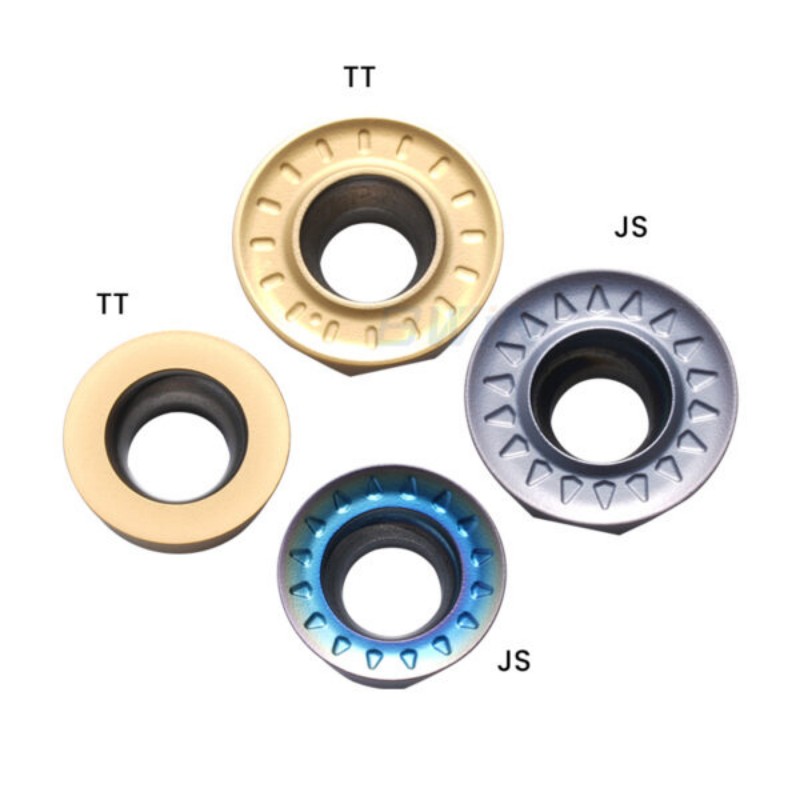
Consider the Material You Need to Machine
The workpiece material helps determine which carbide grade and coating are suitable. It should also be considered when checking whether the cutter body and insert are appropriate for the job.
Carbon Steel and Alloy Steel
For carbon and alloy steels, the required material removal rate, workpiece hardness, and cutting conditions all influence insert selection. A setup intended for heavy stock removal may require different tooling considerations from one used for lighter cuts or finishing.
Stainless Steel
Stainless steel can generate considerable heat during machining and may present chip-control challenges. Buyers should check the recommended carbide grade, coating, and cutting parameters rather than assuming that one insert specification suits every stainless steel application.
Cast Iron
Cast iron presents different cutting conditions from steel, including material-specific chip formation and abrasive wear. The insert grade and cutter setup should match the particular cast iron being machined.
BWIN’s RPMT carbide milling inserts use a tungsten carbide substrate with CVD or PVD coating technology, depending on the product specification. These coatings can improve wear resistance and support cutting-edge durability when matched to the material and operating conditions.
Match the Setup to Roughing or Finishing
The same cutter body may be used for different operations, but roughing and finishing do not place identical demands on the tooling system.
During roughing, the focus is usually on removing material efficiently while maintaining stable cutting conditions. The cutter body needs to support the insert securely under the expected load, and the insert grade must suit the workpiece and operation.
Finishing places greater emphasis on surface quality and dimensional consistency. Cutter runout, insert seating, machine rigidity, and cutting parameters can all affect the final result.
BWIN’s RPMT insert models may be suitable for different milling requirements depending on their individual specifications. Check the recommended application for the exact model before selecting an insert for roughing or finishing.
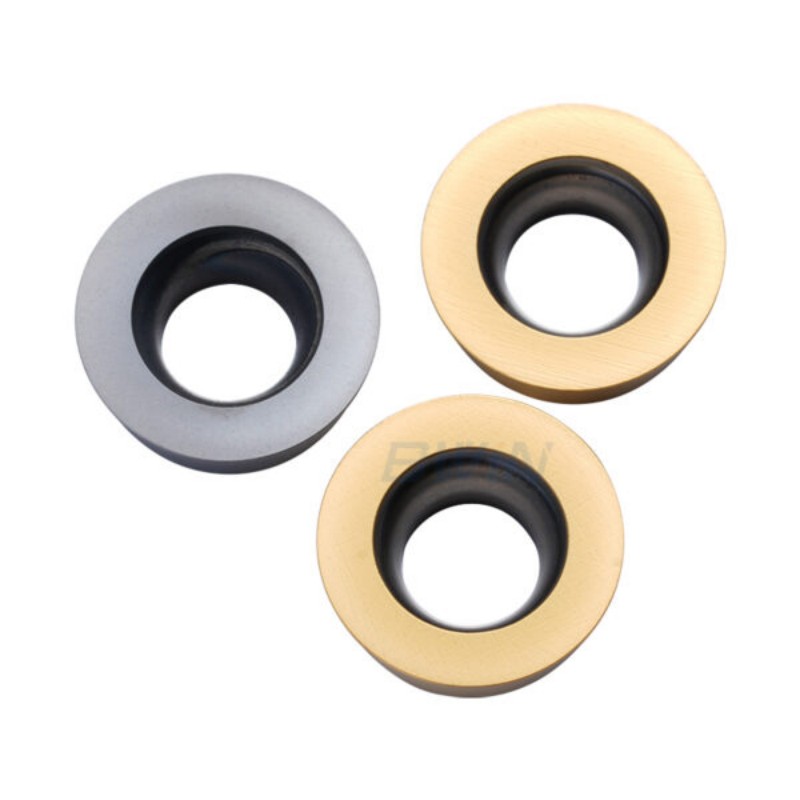
Make Sure the Complete Tooling Setup Is Compatible
Insert compatibility is only one part of the equation. The cutter body must also work with the machine, tool holder, and intended machining conditions.
Before confirming an order, review the following:
- Machine and tool interface: Make sure the cutter body is suitable for the CNC milling machine or machining center.
- Tool overhang: Consider whether the setup provides adequate rigidity for the operation.
- Cutting parameters: Follow the recommendations for the selected insert, cutter, and workpiece material.
- Workpiece setup: Check that the part is securely clamped and properly supported.
These checks are particularly important when setting up a new machining operation or replacing a tooling system. A compatible insert cannot compensate for excessive runout, poor workholding, or an unstable cutter assembly.
What Information Should You Provide When Ordering RPMT Inserts?
For buyers and tooling distributors, the easiest way to reduce uncertainty is to provide the supplier with the information needed to verify compatibility.
When contacting BWIN about RPMT carbide milling inserts, prepare the following details if available:
- The current insert model or product code
- The cutter body manufacturer and model
- The insert dimensions or technical drawing
- The workpiece material
- The intended milling operation
- Any existing machining issues that need to be addressed
If you no longer have the original insert, a clear photo of the product marking can help identify it. A photo alone, however, may not provide enough information to confirm dimensions or compatibility. Where possible, include the cutter body model or a technical drawing.
For replacement orders, confirming the exact specification before purchasing is generally more reliable than choosing an insert simply because it looks similar to the one currently in use.
Choose RPMT Carbide Milling Inserts with Confidence
Matching an RPMT milling insert to the right cutter body starts with accurate identification and a few practical checks. The insert designation, dimensions, pocket geometry, clamping arrangement, and workpiece material all need to be considered together.
BWIN offers RPMT carbide milling insert models including RPMT08T2, RPMT1003, RPMT10T3, and RPMT1204. These inserts are designed for metalworking applications involving materials such as carbon steel, alloy steel, stainless steel, and cast iron, subject to the specifications of the individual model.
If you are sourcing RPMT milling inserts for CNC machining, mold production, or general metalworking, share your existing insert model and cutter body details with BWIN. This provides a practical starting point for checking compatibility and identifying an insert suited to your application.
Add comment