
What Are the Common Mistakes When Using Carbide Grooving Inserts?
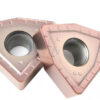
In precision machining, carbide grooving inserts are essential tools for producing accurate grooves and consistent part quality. However, many operators and manufacturers still encounter common mistakes that reduce tool life, compromise machining accuracy, and increase production costs. Understanding these pitfalls and using high-quality Bwin carbide grooving inserts correctly can improve efficiency and ensure long-term reliability.
Brand: Bwin
Material: Tungsten carbide
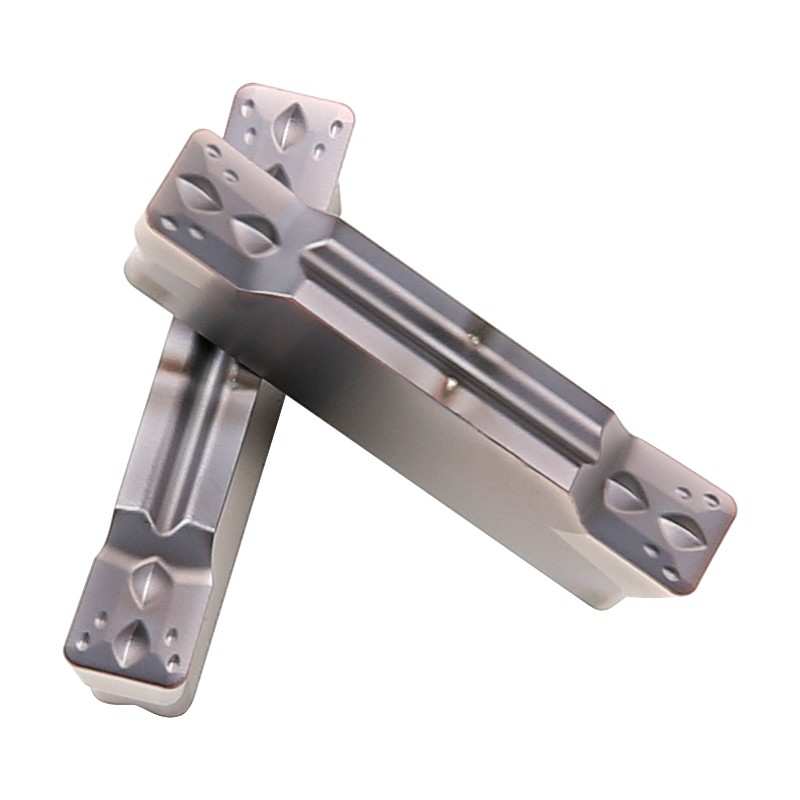
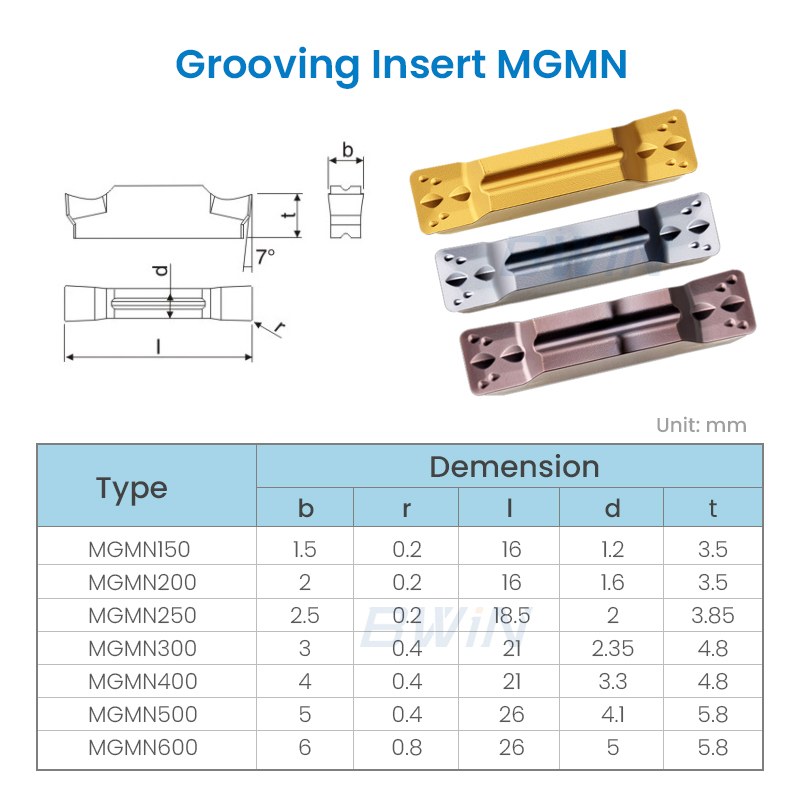
Insert Style: MGMN
Insert Grades: BP020, BT015, BM035, BM085, BN01
Chip Breaker: G/M
Back Angle: 7°
Package: 10pcs/box
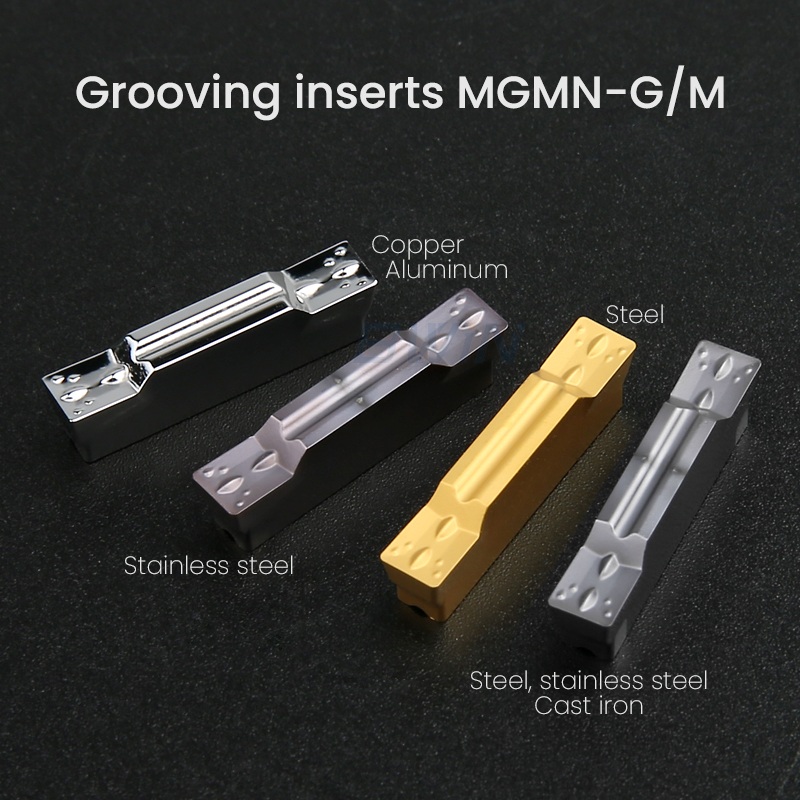
Machining Parts Material: Steel, carbon steel, alloy steel, stainless steel, cast iron, mould steel, hardened steel
1️⃣ Mistake: Choosing the Wrong Insert Grade or Style
Problem:
- Poor groove quality and dimensional inaccuracies
- Premature edge wear or chipping
Reason:
Different materials and applications require specific grooving carbide inserts. For example:
- BP020: suitable for carbon steel and low-alloy steel
- BM035: ideal for hardened steel or alloy steel
Solution:
- Match the precision carbide inserts with your workpiece material
- Use the correct MGMN insert style and chip breaker (G or M)
- Follow manufacturer recommendations for back angle and insert grade
2️⃣ Mistake: Improper Mounting and Tool Holder Setup
Problem:
- Insert chipping or breakage
- Vibration during machining
- Uneven wear
Reason:
Incorrect installation or misalignment in the tool holder causes uneven load and reduces carbide cutting inserts life.
Solution:
- Ensure inserts are clean and free from oil or debris
- Seat inserts correctly and avoid over-tightening screws
- Regularly inspect tool holders for wear and alignment
3️⃣ Mistake: Ignoring Optimal Machining Parameters
Problem:
- Excessive wear on carbide turning inserts
- Poor surface finish
- Inefficient chip evacuation
Reason:
Incorrect speed, feed rate, or depth of cut can damage precision carbide inserts, especially on hardened steel or stainless steel.
Solution:
- Set appropriate cutting speed and feed rate based on insert grade and material
- Adjust depth of cut according to groove width and material hardness
- Use the correct chip breaker (G or M) for smooth chip control
4️⃣ Mistake: Reusing Worn Inserts
Problem:
- Groove size inaccuracies
- Surface roughness
- Tool chatter or vibration
Reason:
Even minor edge wear can significantly affect machining precision.
Solution:
- Inspect inserts regularly for chipping, edge rounding, or cracks
- Replace worn Bwin carbide grooving inserts promptly
- Avoid using worn inserts on hard or abrasive materials
5️⃣ Mistake: Poor Storage and Handling
Problem:
- Premature insert damage
- Degraded coating or edge integrity
Reason:
Improper storage or handling can reduce the lifespan of carbide grooving inserts before use.
Solution:
- Store inserts in original packaging (10pcs/box) in a dry, clean environment
- Avoid dropping or stacking inserts
- Keep inserts away from moisture or contaminants
6️⃣ Technical Tips for Optimal Use
- Select insert grade based on machining material (steel, carbon steel, alloy steel, stainless steel, cast iron, mould steel, hardened steel)
- Choose the correct chip breaker (G/M) to optimize chip flow and surface finish
- Maintain consistent feed rate and speed for long tool life
- Rotate or flip inserts regularly to ensure even wear
- Follow Bwin recommendations for MGMN insert style and back angle
✅ Conclusion
Using carbide grooving inserts effectively requires careful attention to selection, mounting, machining parameters, and storage. Common mistakes such as wrong insert grade, improper installation, ignoring cutting parameters, reusing worn inserts, and poor storage can compromise performance and precision.
By choosing Bwin precision carbide inserts with the correct MGMN style, grades (BP020, BT015, BM035, BM085, BN01), and chip breakers (G/M), manufacturers can achieve:
- High-precision grooves and dimensional accuracy
- Longer tool life and reduced costs
- Consistent machining quality
- Safer and more efficient operations
Investing in the right carbide grooving inserts and following best practices ensures maximum performance for demanding industrial applications.
Add comment