
How Can Wear-Resistant Ceramic Inserts Reduce Tool Downtime?
In modern manufacturing, tool downtime can significantly impact productivity, increase costs, and delay project schedules. Choosing the right cutting tool is essential to maintaining efficiency. Wear-resistant ceramic inserts, such as those from Bwin, are designed to meet the demands of high-speed, high-precision machining while minimizing downtime.
1. Understanding Tool Downtime in Machining ⏱️
Tool downtime occurs when cutting tools need replacement, maintenance, or adjustment due to wear or breakage. In traditional machining with carbide inserts:
- Frequent tool changes interrupt production
- Worn tools reduce surface quality
- Inconsistent cutting forces can cause machine stoppages
This is particularly problematic in hardened steel, cast iron, and other hard materials, where standard tools wear quickly.
Solution: High-performance ceramic inserts reduce these interruptions and keep operations running smoothly.
2. Wear-Resistant Ceramic Inserts: What Makes Them Effective? 💎
Bwin ceramic inserts offer a combination of properties that directly reduce tool downtime:
| Feature | Benefit | Impact on Downtime |
|---|---|---|
| Extreme Hardness | Maintains cutting edge longer | Fewer replacements required |
| Heat Resistance | Handles high-speed operations without degradation | Reduces thermal wear and prevents unexpected tool failure |
| Low Built-Up Edge | Less material adhesion on cutting edge | Maintains surface finish and cutting stability |
| Durable Coatings (optional) | Improves abrasion and oxidation resistance | Extends tool life in tough materials |
| Standard Tool Holder Compatibility | Easy installation and replacement | Quick changeover minimizes machine idle time |
These attributes ensure that operators can run longer production cycles with minimal interruptions, especially in batch production or precision CNC machining.
3. Reducing Downtime in High-Speed Machining ⚡
High-speed machining increases the risk of tool wear due to higher temperatures and cutting forces. Bwin ceramic inserts are specifically engineered to:
- Withstand extreme heat without losing hardness
- Maintain a stable cutting edge for consistent surface quality
- Allow operators to increase cutting speeds without frequent tool changes
This means machines can operate continuously for longer periods, and operators can plan production schedules more efficiently.
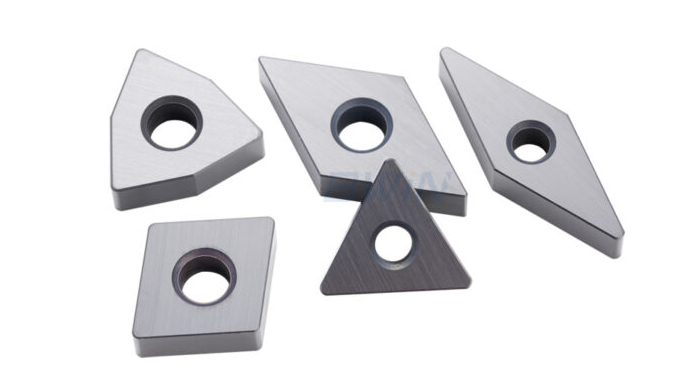
4. Handling Hard Materials with Confidence 🏭
Machining hardened steel and cast iron is challenging for conventional carbide tools, often resulting in:
- Rapid edge wear
- Built-up material on cutting surfaces
- Frequent tool replacement
Bwin ceramic inserts, due to their high hardness and wear resistance, can handle these materials effectively. Benefits include:
- Cleaner, more precise finishes
- Reduced vibration and chatter
- Reliable performance for both roughing and finishing operations
This reduces unplanned stoppages and the cost associated with wasted tools.
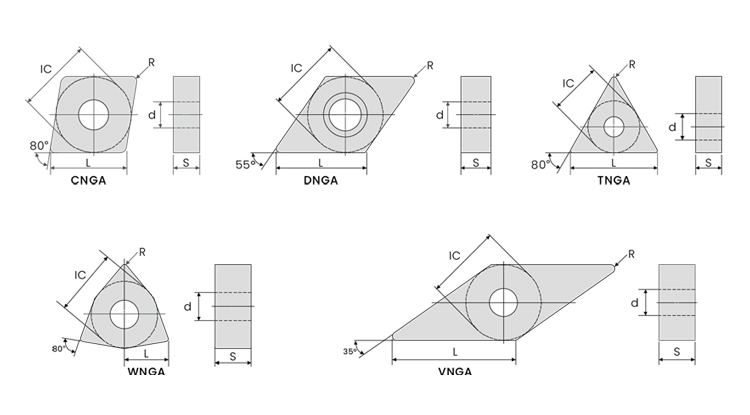
5. Practical Usability in CNC Environments 🤖
Modern CNC machining requires tools that are:
- Easy to install and replace
- Compatible with standard tool holders
- Reliable in both automated and manual processes
Bwin ceramic inserts are designed with practical usability in mind. Operators can:
- Replace inserts quickly without stopping production for long periods
- Switch between different machining operations without compatibility issues
- Maintain high productivity even in demanding workshops
This directly reduces machine downtime and increases overall throughput.
6. Summary: Why Choose Bwin Ceramic Inserts? ✅
Using wear-resistant ceramic inserts from Bwin provides:
- Extended tool life – fewer replacements and reduced maintenance
- Enhanced performance – stable cutting, better surface quality
- Compatibility – fits standard CNC holders for quick replacement
- High reliability – suitable for hardened steel, cast iron, and other tough materials
- Increased productivity – less downtime, more consistent output
By selecting Bwin ceramic inserts, workshops can optimize efficiency, maintain product quality, and significantly reduce the hidden costs of tool downtime.
Add comment