
How Can Carbide Turning Inserts Help Reduce Tool Wear During Continuous Machining?
In a production workshop, a turning insert rarely wears out because of just one factor. Cutting speed, workpiece material, heat generation, chip flow, and machine stability all play a part. When machining runs continuously for several hours, even small differences in these conditions can affect how long an insert maintains its cutting performance.
For manufacturers, this creates a practical challenge. Replacing inserts too frequently interrupts production, while continuing to use worn cutting edges can affect dimensions and surface finish. Neither situation is ideal, particularly in operations where machining consistency matters across large batches.
This is where the design of carbide turning inserts becomes important. The carbide substrate provides the foundation for wear resistance, while cutting edge geometry influences cutting forces and chip formation. When these elements are properly matched to the application, they can help maintain more stable machining conditions and reduce unnecessary tool wear.
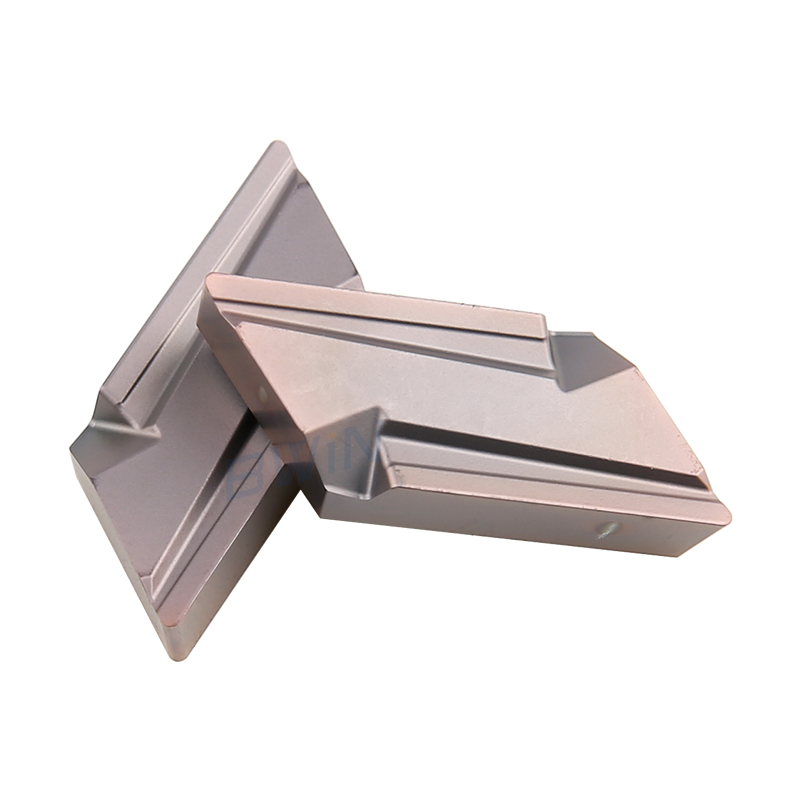
The Bwin KNUX 160405 inserts, available in R11 and L11 variants, are designed for turning applications involving carbon steel, alloy steel, stainless steel, and cast iron. Let’s look at the factors that influence insert wear and how these features relate to everyday machining operations.
🔧 1. What Actually Causes Turning Inserts to Wear Out?
During continuous turning, the cutting edge is exposed to heat, pressure, and friction for an extended period. As the tool removes material, these conditions gradually change the shape and condition of the cutting edge.
Several types of wear are commonly seen in metal turning.
Flank wear develops along the clearance face of the insert, where it contacts the newly machined surface. As the worn area grows, dimensional accuracy and surface finish may begin to deteriorate.
Crater wear occurs on the rake face as hot chips slide across the insert. High cutting temperatures and interactions between the tool and workpiece material can contribute to this type of wear.
Edge chipping happens when small pieces of the cutting edge break away. It may be associated with excessive cutting loads, vibration, interrupted cuts, or insufficient edge strength.
Plastic deformation can occur when heat and pressure become too high for the cutting edge to maintain its original shape. This is particularly concerning when machining under demanding thermal conditions.
These problems often influence one another. For example, poor chip control can increase friction around the cutting zone, while machine vibration can place additional stress on an already worn edge.
Understanding the wear pattern is therefore a better starting point than simply increasing the cutting tool replacement frequency.
⚙️ 2. Why Does Carbide Quality Matter in Continuous Turning?
The carbide substrate determines much of an insert’s ability to withstand the conditions inside the cutting zone. Its hardness and toughness affect how the cutting edge responds to abrasion, pressure, and repeated mechanical loading.
However, harder does not automatically mean better.
An insert needs sufficient hardness to resist wear, but it also needs adequate toughness to avoid chipping or premature edge failure. The right balance depends on the workpiece material, cutting conditions, and type of operation.
This becomes particularly important in continuous machining, where the insert must maintain a consistent cutting edge over an extended period.
Bwin KNUX 160405 inserts use a high-quality carbide substrate to support edge stability and wear resistance. Combined with suitable cutting parameters, this provides a material foundation for consistent turning performance.
For manufacturers, the important consideration is whether the carbide grade matches the actual application. A cutting condition suitable for carbon steel may not be appropriate for stainless steel or cast iron. Material differences should always be taken into account when evaluating insert performance.
📐 3. How Can Insert Geometry Help Control Cutting Wear?
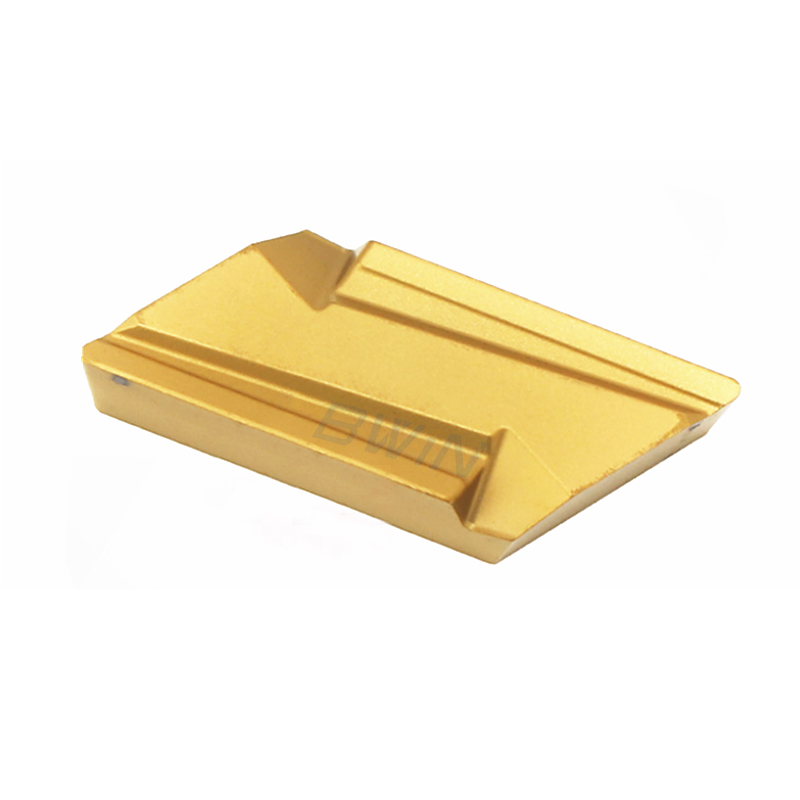
The carbide substrate is only part of the equation. The geometry of a turning insert also affects how efficiently it removes material.
During cutting, the insert experiences forces as it penetrates the workpiece and forms chips. If the geometry is not suitable for the application, cutting resistance may increase, placing additional stress on the tool and machine.
Insert geometry influences several aspects of machining:
- Cutting resistance: Edge and rake geometry affect the force required to remove material.
- Chip formation: The geometry helps determine how chips form and move away from the cutting zone.
- Heat generation: Cutting forces and friction influence the thermal conditions around the insert.
- Surface finish: The cutting edge and its geometry contribute to the quality of the machined surface.
A well-designed insert geometry can help reduce unnecessary cutting resistance and maintain more controlled chip flow.
This is one of the design considerations behind Bwin KNUX 160405 inserts. Their optimized geometry is intended to reduce cutting resistance and support improved surface finish, helping manufacturers maintain stable cutting conditions in suitable roughing and semi-finishing applications.
The actual result still depends on feed rate, cutting speed, depth of cut, and machine rigidity. Insert geometry works best when it is matched to the complete machining setup.
🔄 4. Why Should Chip Evacuation Be Part of Insert Selection?
Anyone who has worked with CNC turning equipment knows that chip management can affect more than the cleanliness of a machine.
When chips are not evacuated properly, they may become tangled around the tool or workpiece. In some cases, they can return to the cutting zone and interfere with the machining process. This may lead to surface scratches, unstable cutting, or unnecessary interruptions.
Chip control is particularly relevant during roughing, when relatively large amounts of material are removed.
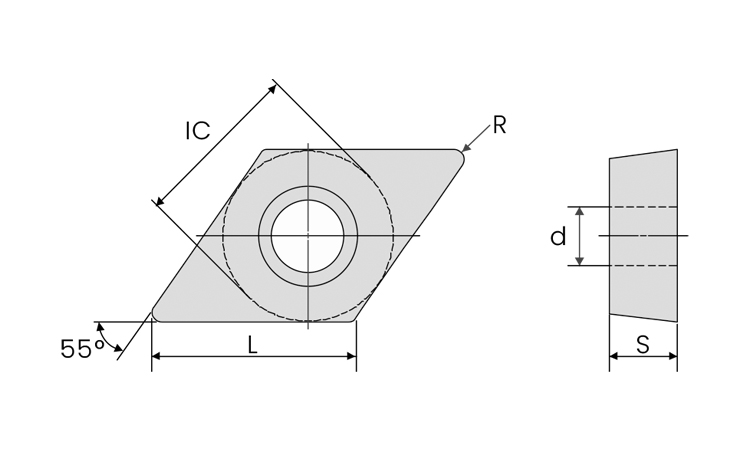
The insert’s chip-forming geometry helps determine the shape and direction of the chips. When the geometry is suitable for the selected cutting conditions, chips are easier to manage and less likely to interfere with the cutting area.
Bwin KNUX 160405 inserts feature a design intended to improve chip evacuation. This helps support more controlled turning operations, particularly when material removal and consistent chip flow are important.
Of course, chip evacuation is not determined by the insert alone. Workpiece material, feed rate, depth of cut, and cutting speed all influence chip formation. If chips remain difficult to control, these operating parameters should be reviewed alongside the insert selection.
🏭 5. Does the Workpiece Material Change How an Insert Wears?
Yes. Different metals behave differently during cutting, which means the same insert may experience different wear patterns depending on the workpiece.
Carbon steel
Carbon steel is widely used in machinery, automotive components, and general manufacturing. In continuous turning, stable cutting conditions and effective chip removal help maintain consistent production quality.
Alloy steel
The machining behavior of alloy steel varies according to its composition and heat treatment. Some grades create higher cutting resistance, making edge stability and appropriate cutting parameters particularly important.
Stainless steel
Stainless steel can generate considerable heat during machining and may undergo work hardening. Suitable insert geometry and controlled cutting conditions help manage these challenges and reduce the risk of premature wear.
Cast iron
Cast iron generally produces shorter chips than many steel materials, but its abrasive characteristics can place additional demands on the cutting edge. Wear resistance and edge strength are important considerations when selecting an insert.
Bwin KNUX 160405 inserts are designed for applications involving all four material groups. However, manufacturers should still confirm the appropriate cutting conditions for the specific material grade and machining task rather than assuming that one setup will work equally well across every application.
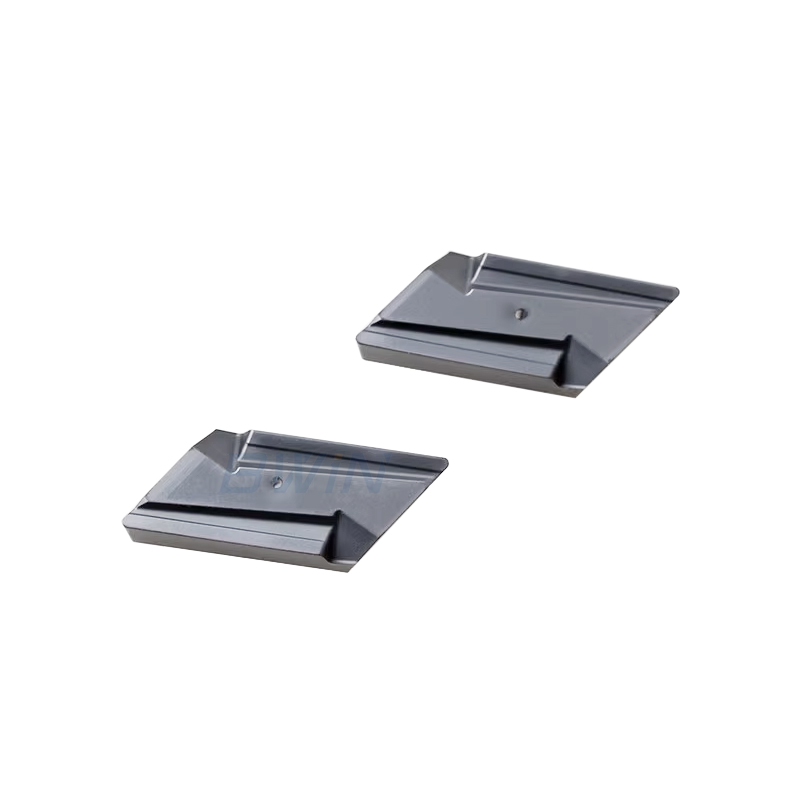
🛠️ 6. Choosing Between KNUX 160405 R11 and L11
Insert selection is not only about the material being machined. Tool orientation, holder compatibility, and the intended cutting operation also need to be considered.
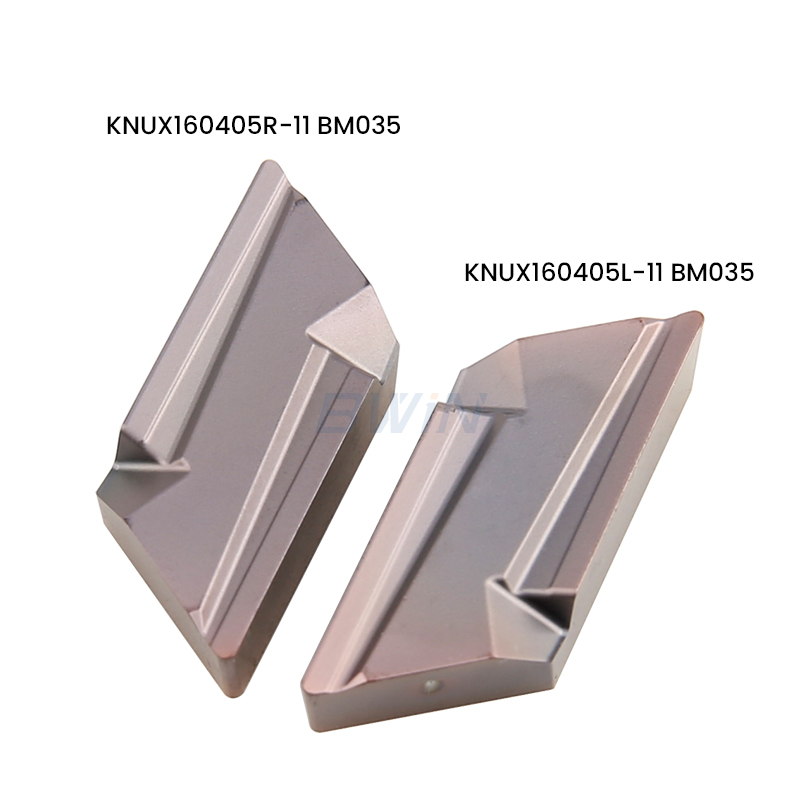
The Bwin KNUX 160405 series includes R11 and L11 variants, providing options for different turning setups.
The distinction between the two variants is relevant when matching the insert to the tool holder and machining direction. Manufacturers should check the insert designation and compatibility with their existing tooling before making a selection.
These inserts can be used in both roughing and semi-finishing operations.
In roughing, the main objective is to remove material efficiently. Cutting forces and chip evacuation are important because the insert needs to handle sustained material removal without unnecessary instability.
In semi-finishing, the focus shifts toward preparing the workpiece for the final machining stage. Consistent edge condition and controlled cutting behavior help maintain the required dimensions and surface condition.
Choosing the appropriate R11 or L11 variant, together with suitable cutting parameters, helps ensure that the insert is being used under conditions that match its intended application.
📊 7. How Can Manufacturers Get More Consistent Insert Life?
Even a good-quality carbide turning insert can wear prematurely if the machining setup is not properly controlled. In practice, extending insert life often comes down to identifying small problems before they become production issues.
Here are several points worth checking during routine machining operations.
Review cutting parameters regularly.
Cutting speed, feed rate, and depth of cut should be selected according to the workpiece material and insert specifications. Excessive cutting speed can increase thermal wear, while unsuitable feed rates may create unfavorable chip shapes or additional edge loading.
Keep the machine and workpiece stable.
Vibration and poor workholding can accelerate edge damage. Checking tool clamping, workpiece support, and machine condition can help prevent unnecessary mechanical stress.
Pay attention to chip formation.
Chip shape and evacuation behavior can reveal a lot about the cutting process. Long, tangled chips or chips accumulating around the tool may indicate that the cutting parameters need adjustment.
Inspect the cutting edge instead of relying only on machining time.
Flank wear, edge chipping, and deformation do not always develop at the same rate. Regular inspection helps operators decide when an insert needs to be indexed or replaced before machining quality is affected.
Match the insert to the material and operation.
A suitable insert for carbon steel may not deliver the same results when used on stainless steel or cast iron. The workpiece material and machining stage should always guide insert selection.
These practices do not eliminate tool wear, but they help make wear more predictable and reduce avoidable interruptions.
🎯 8. Bwin KNUX 160405 Carbide Turning Inserts
For manufacturers working with different metal materials, Bwin KNUX 160405 inserts offer a practical option for roughing and semi-finishing applications.
The series combines a high-quality carbide substrate with optimized geometry designed to reduce cutting resistance and improve chip evacuation.
Key product characteristics include:
- High-quality carbide substrate for cutting edge stability and wear resistance.
- Optimized geometry designed to reduce cutting resistance.
- Chip evacuation design to support more controlled turning.
- R11 and L11 variants for different machining setups.
- Applications in carbon steel, alloy steel, stainless steel, and cast iron.
- Suitable for roughing and semi-finishing operations.
Rather than focusing on a single performance figure, manufacturers should evaluate how these features work together under their actual cutting conditions.
For CNC workshops and industrial machining facilities, the right insert can help maintain consistent production quality, manage tool consumption, and reduce unnecessary downtime.
Final Thoughts
Tool wear is an unavoidable part of metal cutting, but how quickly it develops depends on several factors. Carbide quality, insert geometry, chip evacuation, workpiece material, and machining conditions all influence how long a cutting edge remains effective.
For continuous turning operations, choosing an insert that balances wear resistance with edge stability is particularly important.
Bwin KNUX 160405 inserts are designed with these requirements in mind. Their carbide substrate, optimized geometry, and R11 and L11 variants provide flexible options for machining carbon steel, alloy steel, stainless steel, and cast iron.
Ultimately, extending insert life is not just about selecting a harder carbide tool. It is about matching the insert to the material, controlling the cutting conditions, and maintaining a stable machining process throughout production.
Add comment