
Why Are Carbide Taps Preferred for Difficult-to-Machine Materials?
Threading is a critical process in precision manufacturing, and the choice of tap directly affects thread quality, machining efficiency, and production stability. When working with difficult-to-machine materials, ordinary taps often face challenges such as rapid wear, edge damage, unstable cutting performance, and shortened tool life.
Materials such as aluminum alloys, cast iron, brass, powdered metals, fiberglass, and engineering plastics all have different cutting characteristics. Some generate excessive heat during machining, while others create abrasive particles or require sharper cutting edges. These conditions place higher demands on threading tools.
This is why many manufacturers choose carbide taps for demanding applications. With higher hardness, better rigidity, and stronger wear resistance, carbide taps provide a more reliable solution for producing accurate threads in challenging materials.
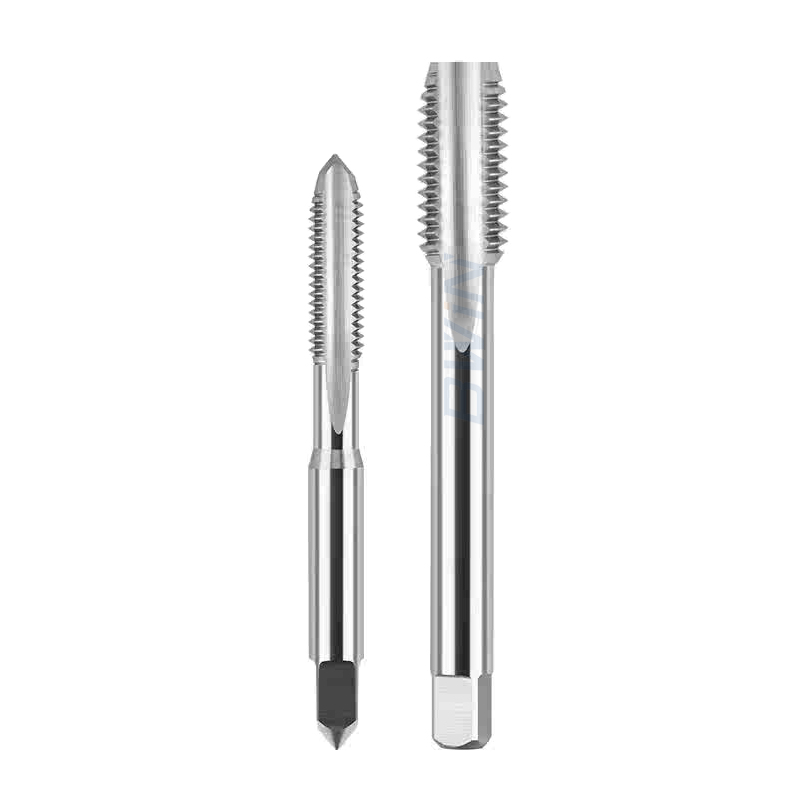
Higher Rigidity for Better Thread Accuracy
One of the biggest advantages of solid carbide taps is their excellent rigidity. During the threading process, cutting forces can cause tool deflection, especially when machining harder or abrasive materials.
The high stiffness of carbide helps the tap maintain its original geometry during cutting. This reduces the risk of thread deviation and helps manufacturers achieve more consistent thread dimensions.
For CNC machining applications where accuracy is critical, maintaining stable cutting conditions is essential. A rigid tap structure allows the cutting edges to engage the material more effectively, improving overall machining consistency.
Straight Flute Design for Versatile Material Processing
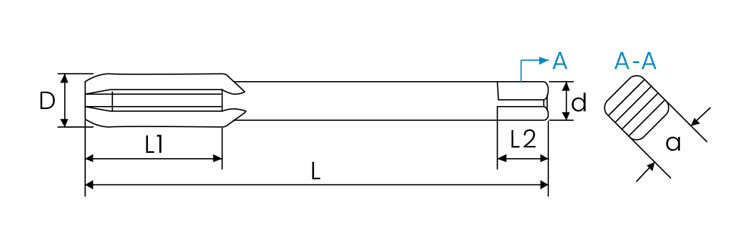
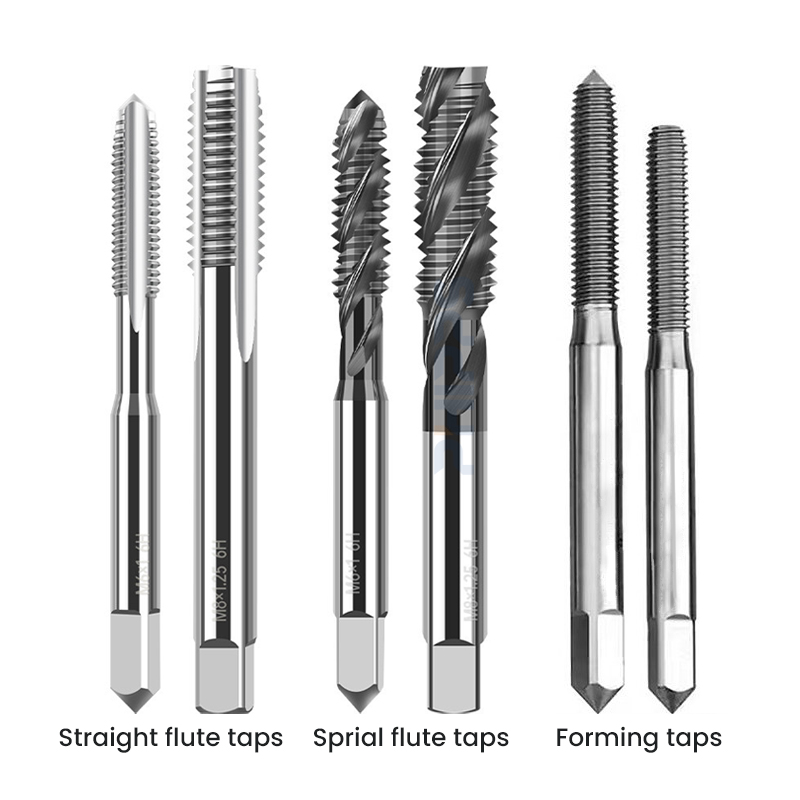
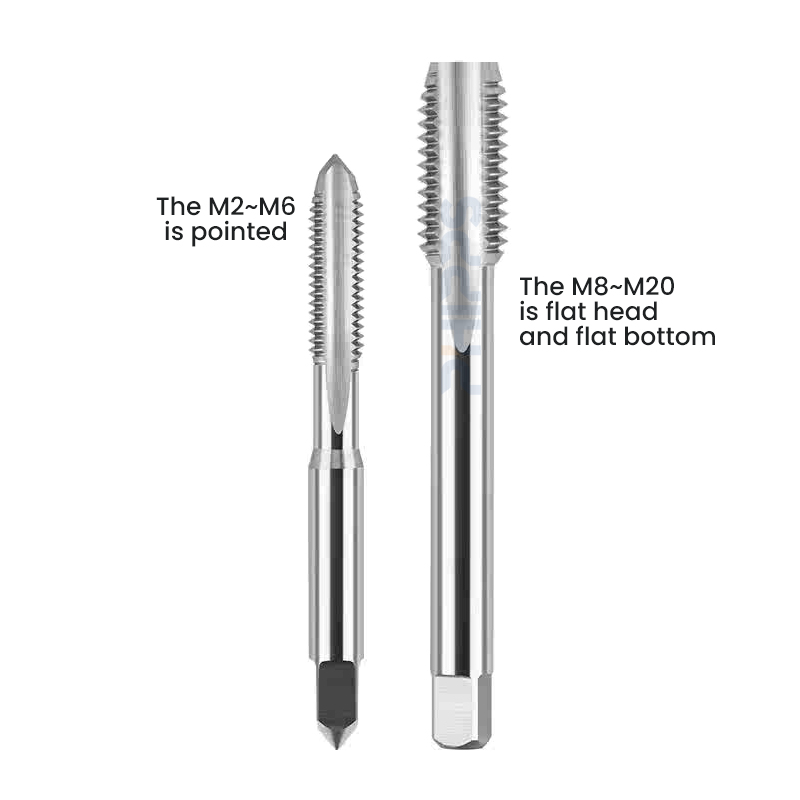
BWIN carbide straight flute taps are designed for a wide range of material applications. Unlike specialized tap designs that are limited to certain conditions, straight flute taps provide a balanced solution for general threading operations.
The straight flute structure helps maintain stable cutting performance while supporting effective chip removal. This is especially important when machining materials that produce different chip characteristics.
These taps are suitable for machining:
- Aluminum alloys
- Plastics
- Powdered metals
- Fiberglass materials
- Brass
- Zinc die cast components
By selecting the appropriate cutting parameters and tap design, manufacturers can achieve cleaner threads and reduce machining interruptions caused by chip accumulation.
Better Wear Resistance in Continuous Machining
Tool wear is one of the main concerns in high-volume production. When a tap loses its cutting edge quickly, manufacturers may experience increased tooling costs, inconsistent thread quality, and frequent machine downtime.
Compared with conventional tool materials, carbide provides higher hardness and better resistance to abrasion and heat. This allows carbide taps to maintain cutting performance for longer periods, especially in continuous machining environments.
The optimized cutting edges of BWIN taps are designed to reduce cutting resistance while maintaining sharpness. This balance helps extend tool life while ensuring smooth thread formation.
Suitable for Different Difficult-to-Machine Materials
Different materials create different challenges during threading.
For example, aluminum alloys require sharp cutting edges to prevent material adhesion, while cast iron requires strong wear resistance because of its abrasive characteristics. Materials such as Stellite and powdered metals demand even greater tool durability due to their hardness and composition.
BWIN carbide taps are developed to handle various industrial materials, including:
- Teflon
- Zinc die cast
- Brass
- Bakelite
- Cast iron
- Stellite
This versatility makes them suitable for applications across automotive components, precision machining, industrial equipment, and general manufacturing.
Why Choose BWIN Carbide Taps?
BWIN focuses on developing cutting tools that meet the practical requirements of modern machining. Through optimized carbide materials and precision manufacturing processes, BWIN provides tapping solutions designed for accuracy, durability, and consistent performance.
The company offers carbide taps with different specifications to meet various machining needs. Whether the application involves CNC production, precision components, or specialized materials, BWIN works to provide suitable tooling solutions.
Beyond standard carbide taps, BWIN also supports customized requirements, helping customers select appropriate tool structures and cutting solutions according to their materials and production conditions.
Conclusion:
Machining difficult materials requires more than a sharp cutting edge. The tap must maintain accuracy, withstand wear, and perform consistently throughout the production process.
With high rigidity, excellent wear resistance, and versatile straight flute designs, carbide taps provide manufacturers with a practical solution for demanding threading applications.
For CNC workshops and precision manufacturers, choosing the right carbide tap can help reduce tool replacement frequency, improve thread quality, and achieve more stable machining performance.
Add comment